
410N vs 510N: Choosing Aluminum Alloy or Brass Zippers
Aluminum Alloy vs Brass Zipper: The 410N vs 510N Decision for Luggage, Apparel, and Footwear
The choice between aluminum alloy and brass custom zippers is usually argued as a matter of material taste. At the decision stage it is narrower than that: two numbers settle most of it. At the same nominal size, crosswise tensile strength is about 410N for aluminum alloy and about 510N for brass, while aluminum alloy is 35% to 50% lighter per meter. Finish, cost, salt spray behavior and service life all follow from which of those two differences your product actually needs.
For hard luggage, backpacks and sportswear, aluminum alloy is normally the better specification: the weight saving is real, 410N sits above the sideways load of a normally packed product, and anodizing handles both color and corrosion protection. For leather bags, jeans, outdoor luggage and premium apparel, brass is normally the better specification: the extra 100N and the harder tooth surface appear later as longer service life and fewer after-sales failures under repeated use. This article shows where each number becomes decisive across luggage, apparel and footwear programs, and where it can be safely ignored.
The decision in one block
- Crosswise tensile strength: about 410N for aluminum alloy versus about 510N for brass at equal size, a gap of roughly 100N.
- Weight: aluminum alloy is 35%–50% lighter per meter; brass is correspondingly heavier.
- Salt spray: both materials are specified to withstand more than 24 hours.
- Service life: brass lasts over 35% longer at equal opening/closing frequency and resists deformation about 40% better.
- Shared platform: both are produced in #3, #5 and #8 sizes and in Y, Corn, Euro and Normal teeth.
- Price direction: aluminum alloy is the lower unit-price option; the exact gap depends on size, finish, quantity and production arrangement.
What 410N and 510N Actually Measure
Crosswise tensile strength is the sideways force required to pull a closed chain apart. It is not a pull-tab strength and it is not a wear test. It tells a specifier how much lateral load the closed teeth tolerate before they separate — the number that matters when a packed case presses outward on a closed zip, when a slider is forced past a jam, or when a boot shaft flexes while zipped.
Both figures in this comparison refer to the same nominal size, which is what makes them comparable. The 100N difference is roughly a quarter of the aluminum value, so a brass chain keeps about 25% more crosswise margin than an aluminum chain of the same size. On a normally packed product, actual service load sits well below either rating; the gap becomes decisive only where the zipper itself is part of the load path.
Buyers should also ask which test method produced a quoted figure. The ASTM D2061 family of strength test methods for zippers covers chain, element and slider pull strength, so a spec sheet that says only "tensile strength" is not yet a comparable number. Request the method, the size, the test direction and the specimen condition. On the trade side, base-metal scoop zippers — the family both aluminum alloy and brass belong to — fall under HS 9607.11 within heading 9607; national tariff lines can differ, so confirm the code against the importing country's schedule.
What the gap does not measure is durability. Wear behavior comes from tooth hardness. Brass teeth are harder and resist extrusion and abrasion better, with a sliding resistance that stays stable and decays slowly; aluminum teeth are softer and can loosen and jam after long-term friction. Separate comparison records put brass at over 35% longer service life at equal opening/closing frequency and about 40% higher anti-deformation capacity. Those two figures, not the 100N, drive after-sales failure rates in repeated-use products.
The Weight Gap: 35% to 50% and Where It Pays
Aluminum alloy is 35% to 50% lighter than brass per meter, depending on size and construction. On a single zipper the saving is measured in grams. On a hard-shell case with several long runs, a backpack with a main and a front zip, or a sportswear program with long decorative runs, the same percentage becomes a specification the product can declare.
Weight is also why aluminum is the wrong lever in some products. Where the zipper is a load path — heavy-duty, high-load luggage closures that carry pack-out pressure, or workwear pulled hard several times a day — a lighter chain with a 410N crosswise rating and a softer tooth is not the safer choice, whatever the gram saving. The company's own application notes exclude aluminum alloy from heavy workwear, heavy-duty high-load luggage and long-term high-salt environments, which is consistent with the mechanical data rather than in conflict with it.
Salt Spray: Both Clear 24 Hours, Then They Diverge
Both materials are specified for more than 24 hours of salt spray, so a 24-hour requirement on its own will not separate them in an RFQ. What separates them is margin and maintenance. Brass does not need an additional protective coating against oxidation and tolerates sustained humidity and salt spray better. Aluminum relies on an anti-oxidation anodizing finish; without it, prolonged contact with sweat or seawater causes discoloration, and comparison data puts brass about 60% lower on the probability of oxidation white spots in normal environments.
Two consequences for a specification. First, "24 hours" should be written with its test conditions — duration, concentration, and whether the slider, teeth and tape were all assessed — otherwise two suppliers can pass the same sentence with different results. Second, an aluminum program intended for coastal retail or outdoor use should name the anodized finish explicitly and extend the salt spray requirement beyond the 24-hour screen. For long-term seaside high-salt exposure, brass remains the appropriate choice.
Cost: Aluminum's Advantage and Where It Narrows
Aluminum alloy is the lower-cost material at unit level. Its raw material is cheaper than brass, it forms more easily with less loss during stamping and debarring, and that reduces labor and energy cost per piece. For high-volume apparel and bag programs where the zipper is a closure rather than a wear part, this saving is the main commercial argument for aluminum.
The gap is not fixed. It narrows when production is arranged in larger runs, and it moves with every specification you add: anodized colors, titanium-series finishes, plated brass colors, logo sliders and pullers all change the comparison. Because quoted differences between the two materials vary with size, finish, quantity and tooling, the defensible approach is to price both materials on an identical size, teeth, tape, slider and finish, and then compare.
Total cost needs one more line. Brass carries a higher unit price but a lower after-sales failure rate and fewer customer complaints, plus over 35% longer service life at equal use. In a product opened and closed daily for years — jeans, leather bags, workwear, outdoor luggage — part of that unit premium is recovered in returns, repairs and replacement. In fast fashion or childrenswear, where the garment's working life is short, the recovery rarely appears, and aluminum's lower unit price dominates.
Finishes, Branding and Compliance
Aluminum's finish is anodizing, and anodizing is also where its corrosion resistance is created — finish choice and salt spray performance are one decision, not two. YAB ZIPPER's aluminum Y-teeth line covers ancient silver, antique copper, brass (a color name, not a material), light gold, black, white gold, bright silver and bright black, plus a titanium-alloy series in platinum, black gold, light gold and rose gold; the company states that its anodized surface treatment has reached the standard of its copper zipper series.
Brass's finish is plating, which provides the deeper metallic look that leather goods and premium apparel rely on, with a wide color range and no white-spot drift in normal service. Where the destination market requires it, brass is available in a nickel-free option intended for EU REACH programs. Buyers should still request the applicable test report or declaration of conformity for the exact finish, rather than accept a general statement that a supplier complies with REACH.
Both materials support OEM logo sliders and pullers, which is what most branding programs actually need: the logo sits on the slider and puller, while the teeth and tape carry the strength, size and color specification. On the environmental side, pre-production controls in this supply chain include nickel-free anodizing and eco-friendly dyeing processes.
Shared Sizes and Teeth: Why the Material Swap Is Cheap
Both materials are produced in #3, #5 and #8 sizes and in Y, Corn, Euro and Normal teeth. That matters more than it looks: a program can move from one material to the other, or run both within a range, without redesigning the pattern or the sewing operation, because the tape family, seam allowance and top and bottom stops stay in the same specification group.
Three points still need confirming before a swap. The tape width and finish must match at the same nominal size, the slider must be rated for the tooth profile, and the strength class approved on the sample must be the one written into the purchase order. A change that keeps the size but alters the slider or the tape supplier is a new approval, not a like-for-like substitution.
How to Specify: A Five-Step Decision Sequence
- Classify each zipper position. Decide whether the zipper is a closure (it closes a flexible panel on a light product) or a wear part (it holds a packed case shut or flexes at a boot shaft). The same style can contain both.
- Set the strength floor with a method attached. Compare 410N and 510N against your own requirement and ask for a crosswise tensile report that names the test method, the size and the specimen condition.
- Set the weight budget. If the product is carried, quantify the grams per zip run; if it is not, treat weight as a secondary tie-breaker rather than the deciding factor.
- Write the corrosion clause fully. Salt spray duration with test conditions, plus the finish. For aluminum, name the anodized finish; for brass, confirm whether the nickel-free plating option is required by the destination market.
- Fix the commercial and compliance package. Quote both materials on the same size, teeth, tape, slider and finish; add logo file and tooling, sampling approval, AQL 1.0 inspection and batch-level test records.
Matching the Material to Luggage, Apparel and Footwear
The application split follows the load case, not the product category. A zipper that closes a flexible panel on a light product is a closure; a zipper that keeps a packed case shut or flexes at a boot shaft behaves like a wear part.
Luggage
Hard luggage built around low weight is where aluminum alloy earns its place: the 35%–50% weight saving applies to every zipper run, and 410N remains well above the sideways load of a normally packed cabin case. The qualification is load class. Heavy-duty, high-load luggage — the large case packed to the hinge, the expedition bag — sits outside aluminum's recommended range and belongs to brass, where the extra crosswise margin and the harder tooth handle sustained pack-out pressure.
Backpacks and sportswear
Backpacks and sportswear are aluminum's strongest case: carried weight, long zip runs, frequent but low-load operation, and a customer who notices grams. Anodizing supplies the color, and the softer tooth is acceptable because the zip is not a load path. Where a backpack uses a heavy compression zip across a loaded compartment, that specific run should be reviewed on its own rather than covered by the general choice.
Apparel: jeans, jackets and premium garments
Jeans sit firmly with brass. Denim is heavy, the fly is opened and closed daily, and the wear point is tooth-to-slider contact — the area where brass's harder surface, over-35% longer service life and lower after-sales failure rate do the work. Premium apparel and leather goods follow the same logic for a different reason: plating depth and color stability are part of the product's perceived value. Lightweight spring and autumn jackets, kids' clothing and fast-fashion casual garments are the reverse case, where aluminum's price and weight win and the garment's working life is short.
Footwear
Footwear is the middle case, and it is often decided badly. A decorative zip on a shoe upper is a closure: short length, low load, weight- and cost-sensitive, so aluminum alloy fits. A zip that runs up a boot shaft, flexes with every step and is pulled hard when the boot goes on is a wear part: brass's roughly 40% higher anti-deformation capacity and more stable sliding resistance are the relevant properties, and the 100N crosswise margin matters when the shaft is over-stuffed. Decide per zip position, not per style.
Side-by-Side Specification Table
| Decision point | Aluminum alloy | Brass |
|---|---|---|
| Crosswise tensile strength (same size) | About 410N | About 510N; roughly 100N higher, about a quarter more margin |
| Weight per meter | 35%–50% lighter | 35%–50% heavier |
| Service life at equal open/close frequency | Baseline | Over 35% longer |
| Anti-deformation capacity | Baseline | About 40% higher |
| Salt spray | More than 24 hours | More than 24 hours |
| Humidity and oxidation | Requires anti-oxidation anodizing; discolors with prolonged sweat or seawater | No extra protective coating needed; about 60% lower probability of oxidation white spots in normal environments |
| Sliding performance over time | Teeth can loosen and jam after long-term friction | Stable sliding resistance with slower decay |
| After-sales profile | More abrasion and missing-teeth complaints in heavy use | Lower failure rate, fewer customer complaints |
| Unit price direction | Lower | Higher |
| Finishes | Anodizing; eight standard shades plus a titanium-alloy series | Plating; wide color range; nickel-free REACH option available |
| Branding | OEM logo slider and puller | OEM logo slider and puller |
| Sizes and teeth | #3, #5, #8; Y, Corn, Euro, Normal | #3, #5, #8; Y, Corn, Euro, Normal |
| Strong fit | Hard luggage, backpacks, sportswear, lightweight jackets, kids' wear | Leather bags, jeans, workwear, outdoor and heavy-load luggage, premium apparel |
| Review or avoid | Heavy workwear, heavy-duty high-load luggage, long-term high-salt exposure | Weight-critical programs where the zip is only a closure |
Acceptance Checks That Catch Both Materials' Failure Modes
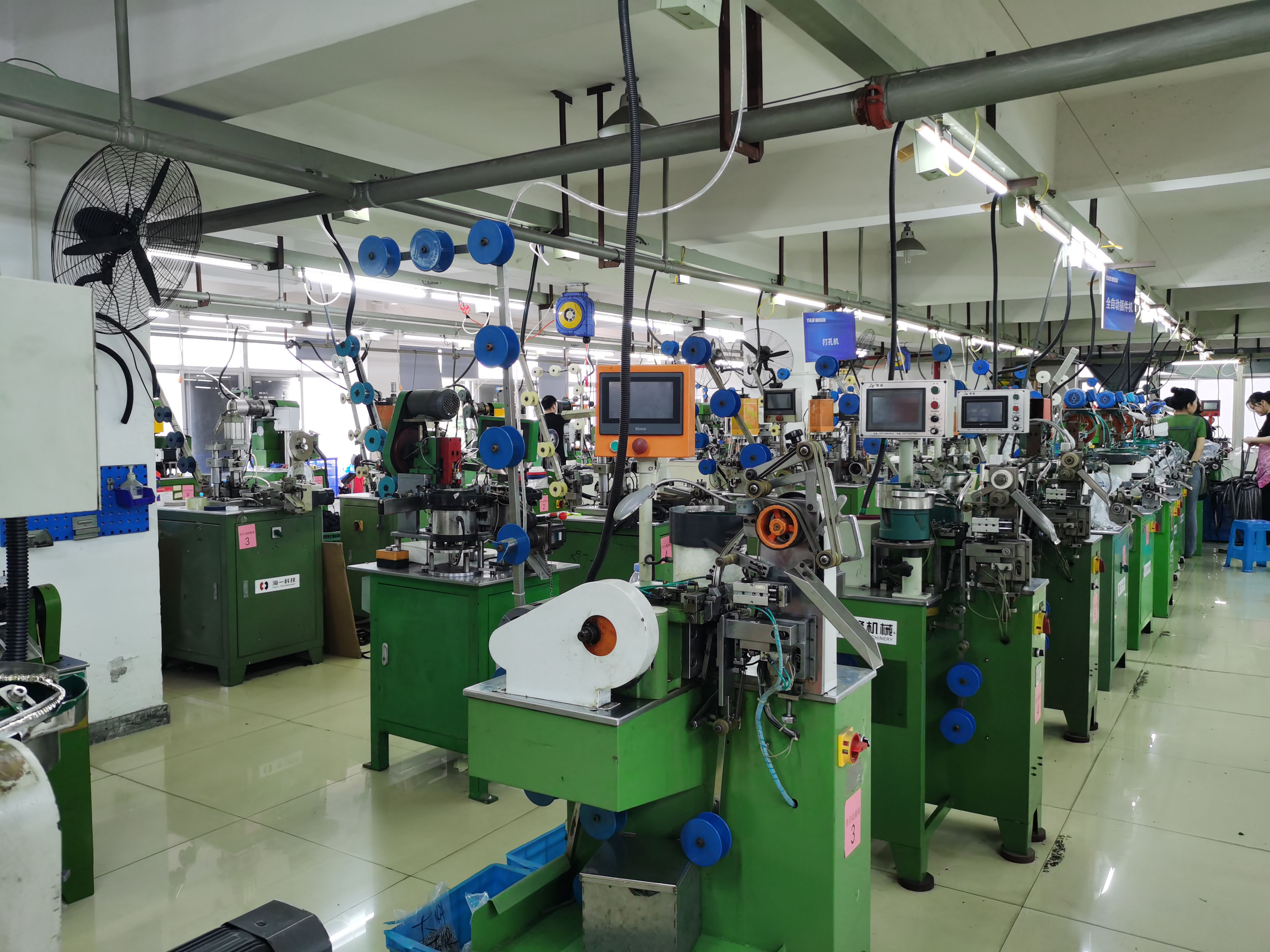
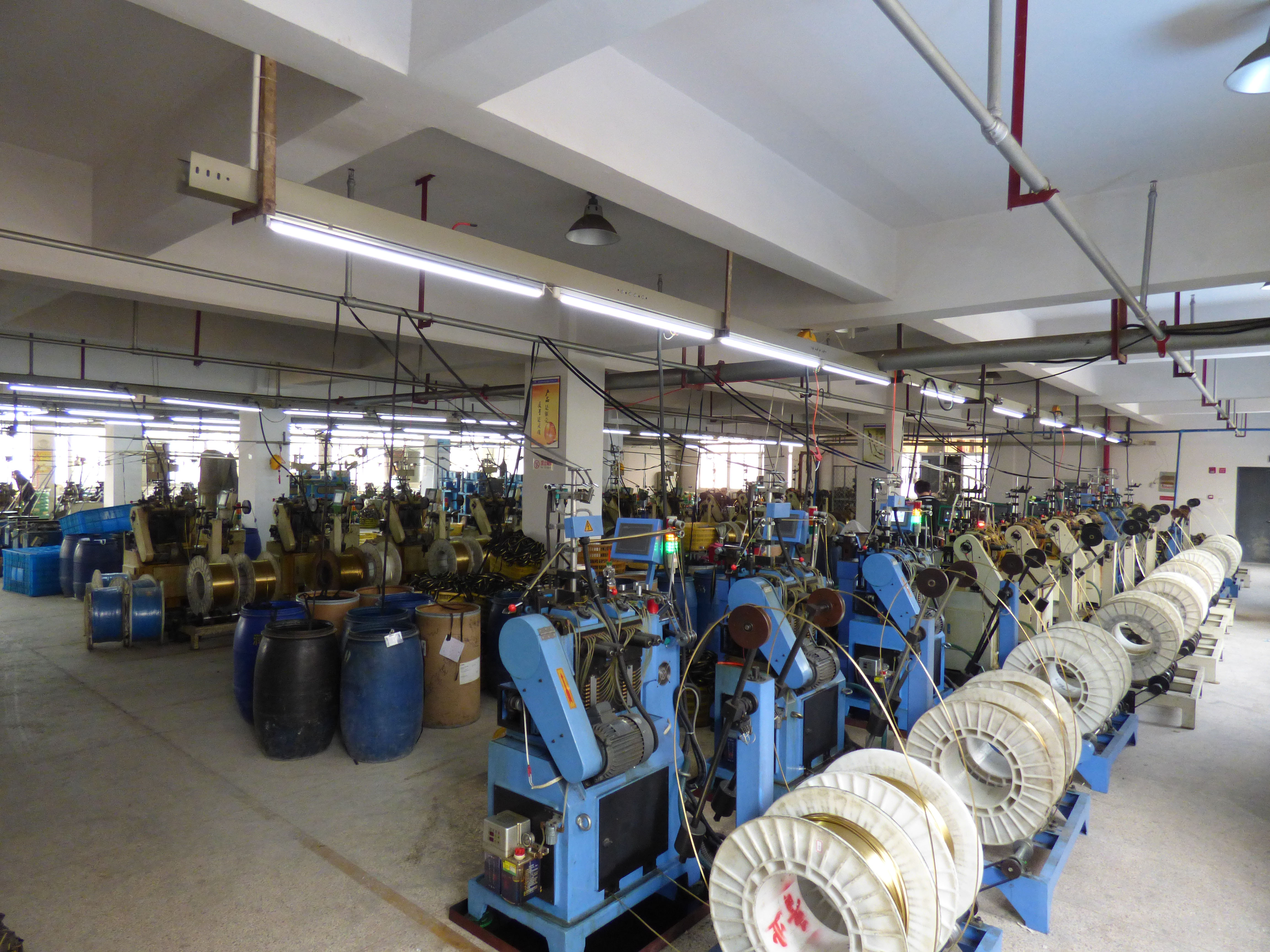
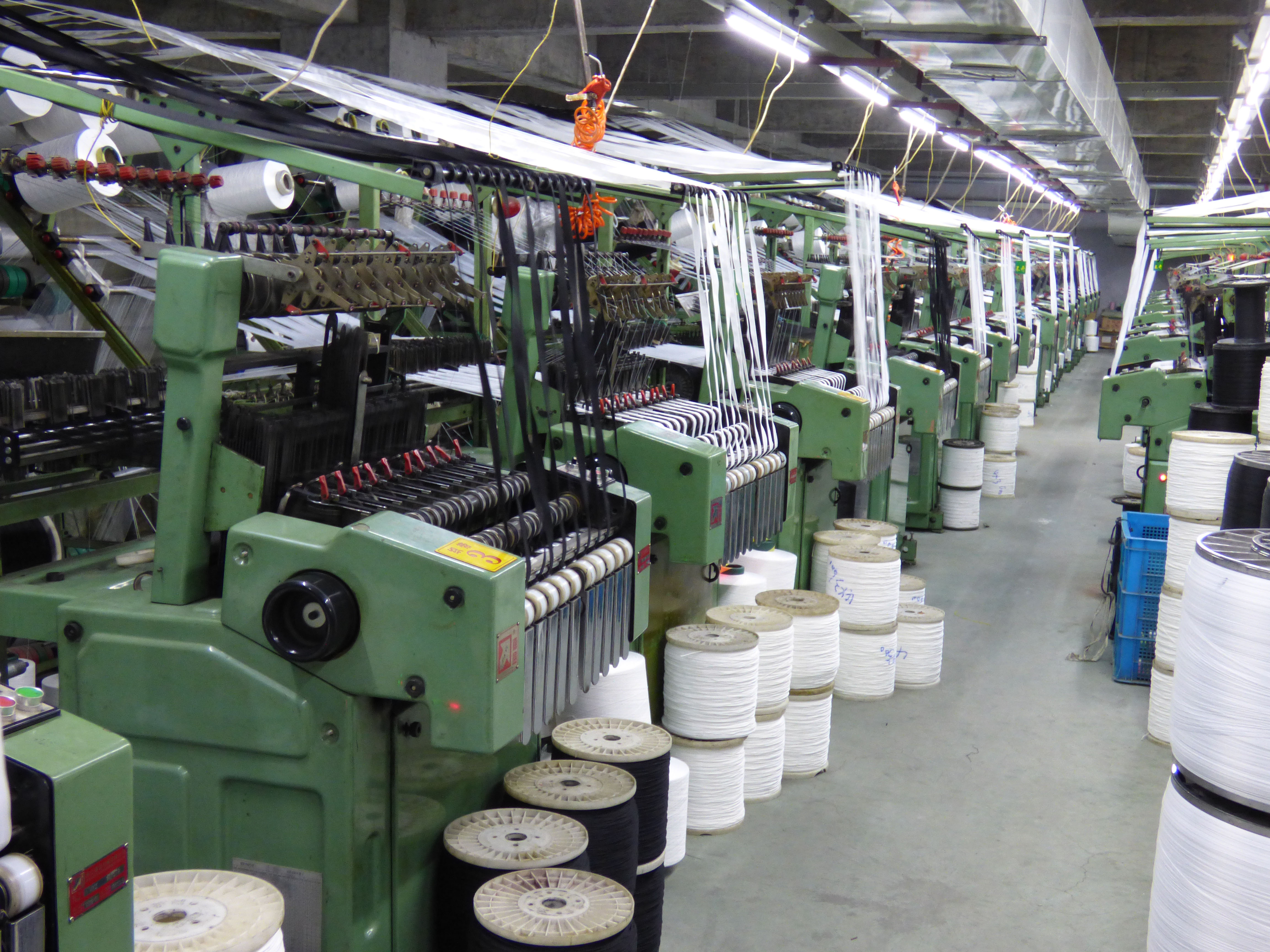
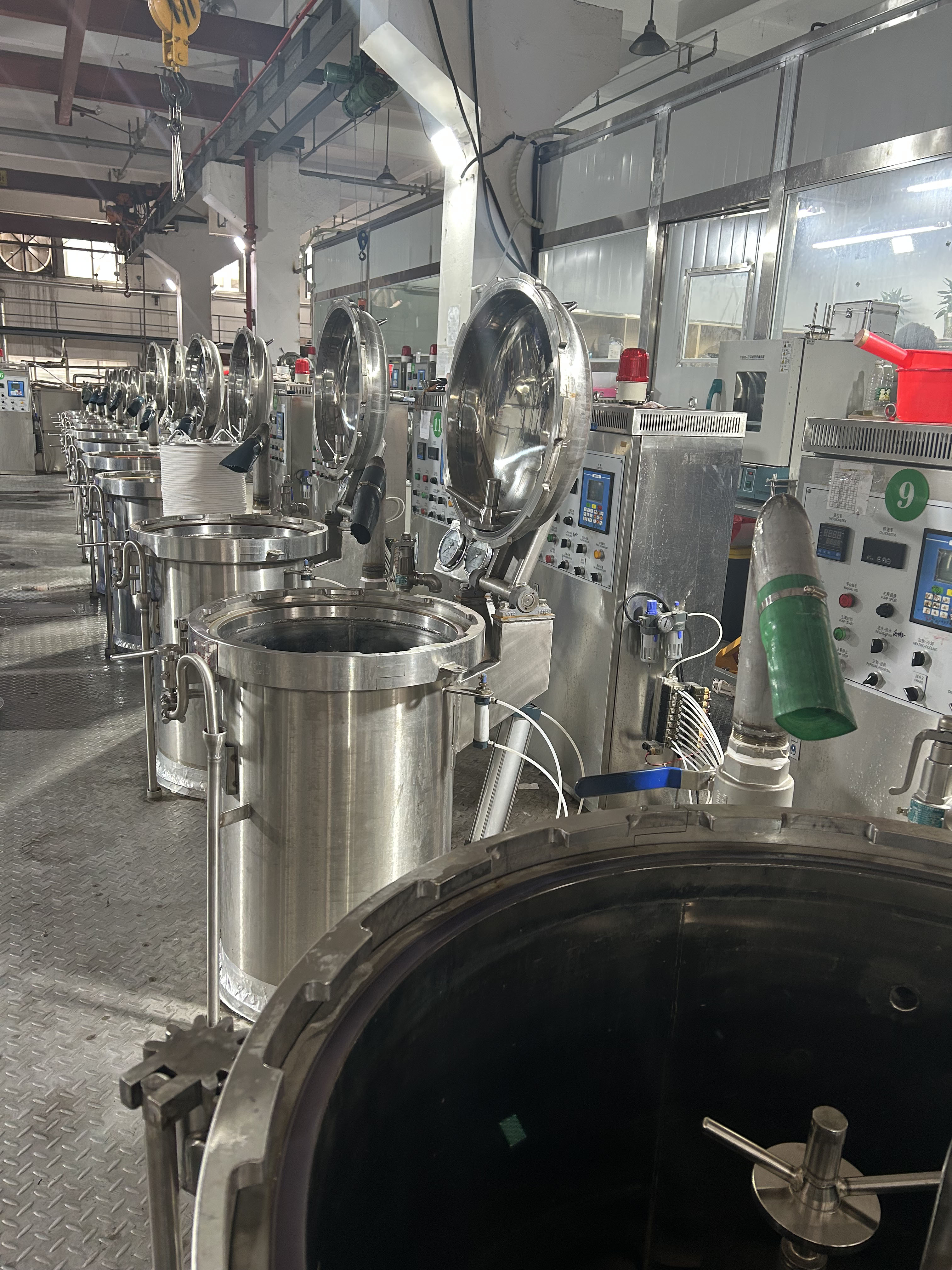
YAB ZIPPER is the zipper brand of Wenzhou Runhe Garment Accessories Co., Ltd., a Wenzhou-based manufacturer producing copper, aluminum, resin and nylon zippers, certified to ISO 9001 and OEKO-TEX Standard 100. The company reports a 10,000 m² factory and annual output of about 70 million pieces — company-reported figures that are useful as capability context rather than as an independent benchmark. Its published control set is a workable template for either material: XRF metal composition checks, tape color-fastness testing and tensile testing on incoming material; automatic tooth forming, CNC anodizing and automatic deburring in process; reciprocating durability, salt spray and wash-and-rub testing on finished goods; AQL 1.0 sampling across incoming inspection, in-line patrol and 100% final inspection; and traceability that binds raw material batches, work orders and test reports, with samples retained for at least two years and complaints answered within 48 hours.
The failure modes those checks target are the ones buyers actually receive: misaligned teeth, sharp burrs that snag lining fabric, oxidation discoloration after anodizing, sticking sliders, tensile strength below the approved class, tape color deviation, and restricted substances. A supplier that can show the test record for your batch, not just a certificate for the factory, is answering the question that matters. The full range is described at YAB ZIPPER.

FAQ
Does brass need a nickel-free option to meet EU REACH requirements?
Where the destination market requires it, brass zippers are available in a nickel-free option intended for EU REACH programs. Nickel-free is a finish-level choice rather than a property of brass itself, so it must be specified and documented per finish: ask for the applicable test report or declaration covering the plating you approved, on the same size and color you will order. General statements that a supplier complies with REACH are not a substitute for the document attached to your finish, and the same discipline applies to aluminum, where the anodizing and dyeing processes are the relevant control points.
Can aluminum alloy zippers hold up on hard luggage and backpacks?
For lightweight hard luggage and backpacks, yes: about 410N crosswise tensile strength sits above the sideways load of a normally packed product, and the 35%–50% weight saving is the reason to choose it. Two conditions apply. The zipper should act as a closure rather than as the load path, and the finish should be anodized so corrosion resistance is designed in rather than assumed. Heavy-duty, high-load luggage, workwear and long-term seaside high-salt use fall outside aluminum alloy's recommended range and belong to brass, which provides about 510N crosswise and roughly 40% higher anti-deformation capacity.
Which material costs less, and by how much?
Aluminum alloy is the lower unit-price option: cheaper raw material, easier forming with less stamping and deburring loss, and lower labor and energy cost per piece. A single percentage is not a reliable answer, because the gap moves with size, teeth, tape, finish, logo tooling and order volume, and it narrows when production is arranged in larger runs. Price both materials on an identical specification and compare total cost rather than unit price: brass's over-35% longer service life and lower after-sales failure rate recover part of its premium in daily-use products such as jeans, leather bags and workwear, while in short-life garments the unit price dominates.
Can I get samples in both materials with my own logo on the slider?
OEM logo sliders and pullers are available for both aluminum alloy and brass, and both are produced in #3, #5 and #8 sizes with Y, Corn, Euro and Normal teeth, so a sample set can hold size, teeth and slider constant while changing only the material. Approve the samples against the same checklist you will use at incoming inspection: crosswise tensile class, anodized or plated finish and color, salt spray result, burr condition on the teeth, and slider feel across the full length. Keep one approved sample on file as the reference for every later batch.
What drives lead time, and how do I keep batches consistent?
Lead time is set by the combination you order rather than by the material alone: size and teeth profile, anodized or plated color, whether a new logo slider or puller tool is needed, and the quantity per color. Because those inputs differ between programs, the schedule should be confirmed in writing for each order instead of being assumed from a general quotation. Batch consistency is protected on the production side by traceability that binds raw material batches, work orders and test reports, AQL 1.0 sampling and retained samples for at least two years, and on your side by holding one approved sample and one written specification.
Conclusion
The 410N versus 510N question resolves into a single test: is the zipper a closure or a wear part? Closure positions — hard luggage shells, backpack panels, sportswear, lightweight jackets, shoe uppers — are better served by aluminum alloy, where the 35%–50% weight saving and the lower unit price are paid for with a 100N lower crosswise rating that normal service load does not reach. Wear positions — jeans flies, leather bags, workwear, heavy-load and outdoor luggage, boot shafts, premium apparel — are better served by brass, where the harder tooth, over-35% longer service life and roughly 40% higher anti-deformation capacity absorb the higher unit price in fewer failures.
Both materials share sizes #3, #5 and #8 and Y, Corn, Euro and Normal teeth, both clear a 24-hour salt spray screen, and both accept OEM logo sliders and pullers, so the decision stays inside one platform. Put the test method next to the strength figure, put the finish next to the salt spray figure, and quote both materials on the same specification. That is what turns a material argument into a decision you can defend to a buyer, a factory and a customer.
Next step: one specification, both materials
Send the zip position, target size, teeth profile, weight budget and destination market, and request a sample set in aluminum alloy and brass on the same tape and slider so the difference is measurable rather than theoretical. The full product and capability overview is available in the YAB ZIPPER company profile (PDF), and company details are at www.cnyab.com.
Have Questions or Need More Details?
Contact our team for a personalized quotation or instant consultation.
Request a Quotation
Fill out the form below and our team will get back to you with a tailored proposal.
WhatsApp Direct Chat
Prefer to chat in real-time? Message us on WhatsApp for instant assistance & quick answers.
- Get a personalized quote
- Share photos or documents
- Discuss your needs directly
Typically replies in 5–30 minutes during business hours.