
Specifying an Aluminum Alloy Custom Zipper: Teeth, Size and Finish by Application
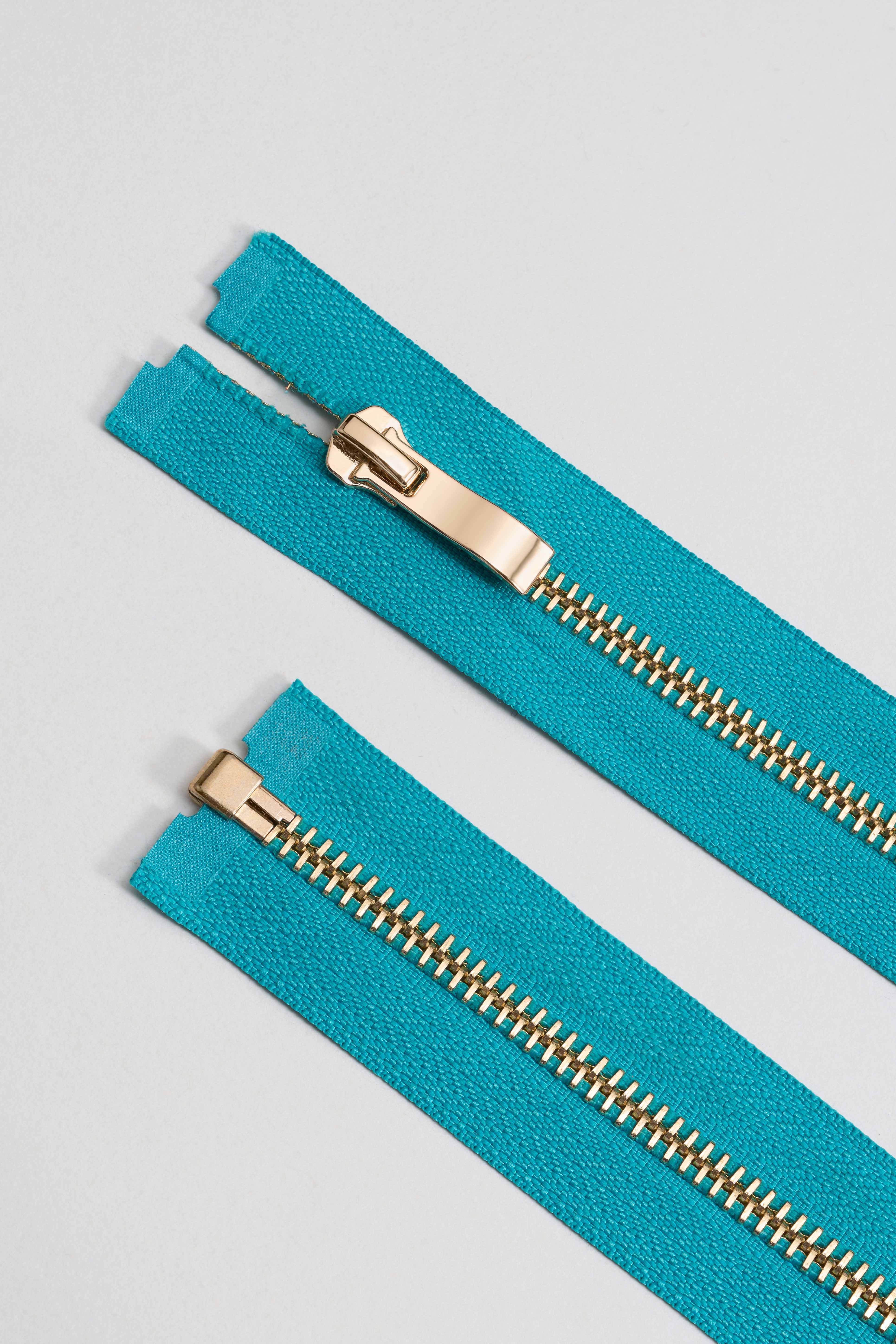
An aluminum alloy custom zipper is defined by three parameters that should be fixed in the same order on every project: tooth profile — Y teeth, Corn teeth, Euro teeth or Normal teeth; size — #3, #5 or #8; and surface finish — bright silver, matte silver, black or champagne anodizing. YAB ZIPPER, the zipper line of Wenzhou Runhe Garment Accessories Co., Ltd., publishes measurable values for its Aluminum Alloy zipper so that the choice can be audited rather than argued: a crosswise tensile strength of 410N, a salt spray result greater than 24 hours, smooth sliding performance, and a 35% to 50% weight reduction compared with brass zipper. This guide maps each of those parameters to hard luggage, backpacks and sportswear, and shows where the trade-off against brass sits.
Why aluminum alloy zippers get mis-specified
Most specification errors on aluminum alloy zippers are not material errors. They are sequencing errors — a parameter is decided before the criterion it controls has been written down. Three patterns repeat often enough to be worth naming.
The weight decision is made without the tensile decision. A brand switches from brass to aluminum to remove 35% to 50% of the zipper's weight, then discovers that the published crosswise tensile strength is 410N for the aluminum alloy line against 510N for the brass line. Both numbers are correct. The error is applying the lighter chain to the highest-load zone of a bag without checking which zone the weight saving was supposed to serve.
The finish is chosen from a photograph. Bright silver, matte silver, black and champagne anodizing can look similar on a screen and behave differently on a finished product in a humid climate. Finish is the parameter most tied to the salt spray requirement, and the salt spray result on the Aluminum Alloy zipper line is greater than 24 hours — a value that should be confirmed on the actual finish the buyer selects, not assumed across the range.
The size is inherited from habit. A team that has always used #5 orders #5 again, even when the opening geometry changed. Size is a measurement, so it should be re-derived for each new item rather than copied from the previous season.
Where aluminum alloy sits in the zipper market
Aluminum alloy is a mainstream engineered choice, not a niche one. Market Research Future valued the global zipper market at USD 17.39 billion in 2024 and projects USD 36.73 billion by 2034, a 7.8% CAGR for 2025 to 2034. Within that market, Business Research Insights reports that metal zippers held a 31% share of global consumption in 2025, and that brass and aluminum together represented 67% of metal zipper production. Nylon, at 46% of consumption, dominates volume; metal holds the specification-driven segments where load, feel and finish matter more than unit cost.
The sizing convention that makes this guide possible is standard across the industry: a number such as #3, #5 or #8 refers to the width of the closed zipper teeth measured in millimetres. That single fact converts a size code into a dimension — and a dimension into a load-path decision.
The three parameters and the three numbers that verify them
Treat the specification as a matrix with two axes. The first axis is what you choose: profile, size, finish. The second axis is what proves the choice was correct: 410N crosswise tensile strength, a salt spray result greater than 24 hours, and smooth sliding performance. A configuration that cannot be defended against all three verification points is not a finished specification.
The Aluminium Alloy zipper from YAB ZIPPER is made of aluminum and belongs to the zipper category. It is intended for the luggage, garment, outdoor goods and footwear industries, and is widely used for hard luggage, backpacks and sportswear. Those three applications are not interchangeable, which is exactly why the parameters need to be matched rather than defaulted.
Tooth profiles: Y teeth, Corn teeth, Euro teeth and Normal teeth
The Aluminum Alloy zipper is available in four tooth configurations, each registered as its own product category: Aluminum Alloy Y Teeth Zipper, Aluminum Alloy Corn Teeth Zipper, Aluminum Alloy Euro Teeth Zipper and Aluminum Alloy Normal Teeth Zipper. All four sit on the same aluminum body and are covered by the same published line values — 410N crosswise tensile strength, greater than 24 hours salt spray, smooth sliding.
The profile should be locked first, before size and finish, because it is the parameter the rest of the hardware is confirmed against. In practice a project fixes the profile from the brand's design reference, then confirms that the chosen profile, the required size and the required finish exist together as one orderable configuration. Deciding the finish first, or the size first, tends to produce a sample that has to be rebuilt.
Size: what #3, #5 and #8 actually measure
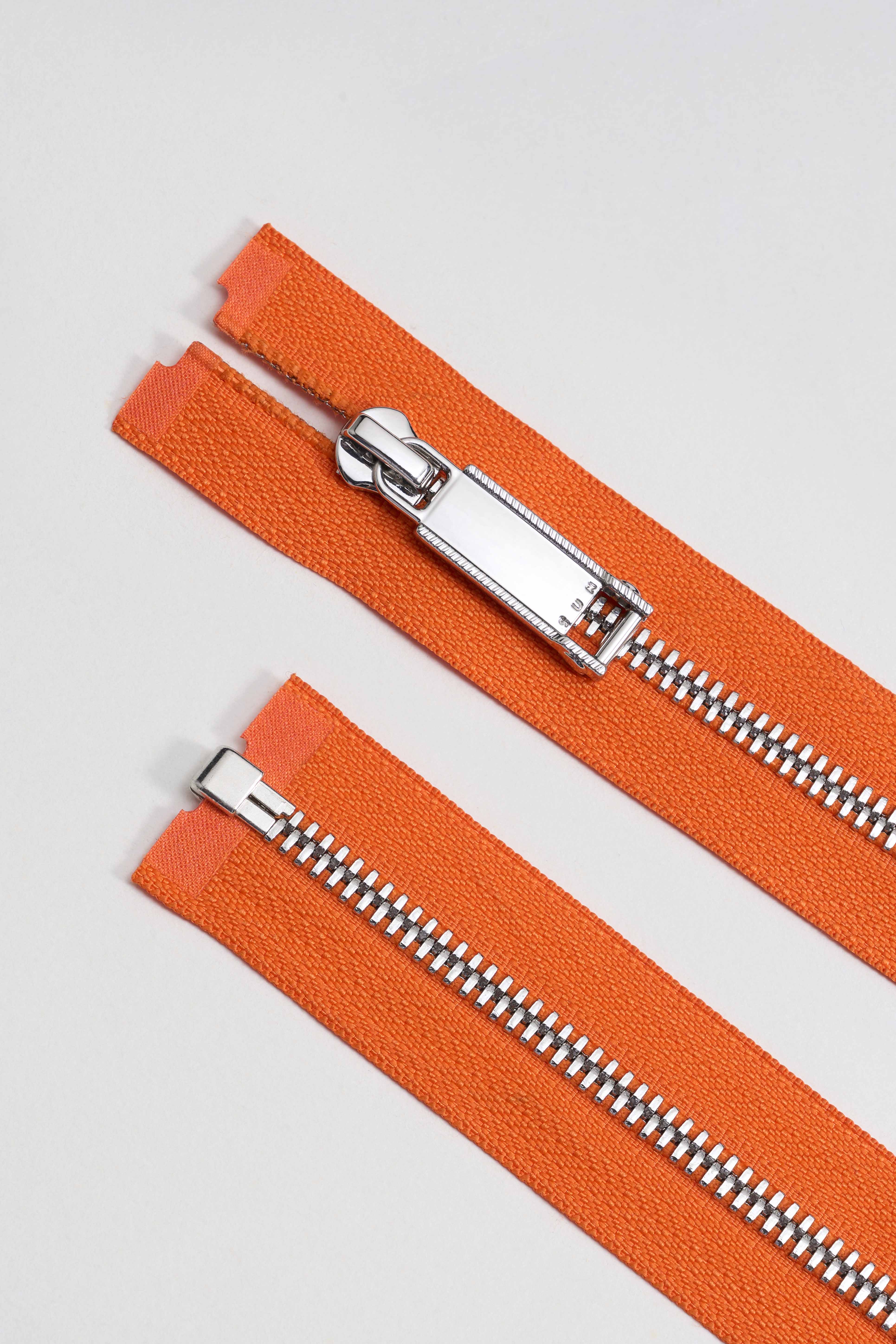
Sizes #3, #5 and #8 are in stock on the Aluminum Alloy zipper line and refer to the width of the closed teeth in millimetres, so a #5 chain measures approximately 5 mm across the closed teeth. Because the number tracks width, the size decision is a load-path decision, not a styling decision.
A working rule for the first sample round:
- Wide opening under tension — hard luggage main compartments, large bag bodies: start at #8, where the wider closed chain distributes pull across a broader face.
- Mid-weight, medium opening — backpacks, day packs, mid-weight outerwear: start at #5, the middle of the range.
- Short opening, low direct tension — sportswear plackets, pockets, linings: start at #3, where narrower teeth keep the tape line light and flexible.
These are starting points, not test results. The 410N crosswise tensile value is published for the aluminum alloy line, so the zone of the finished item that carries the highest load is the zone that should be validated on a physical sample before bulk release.
Finish: bright silver, matte silver, black and champagne anodizing
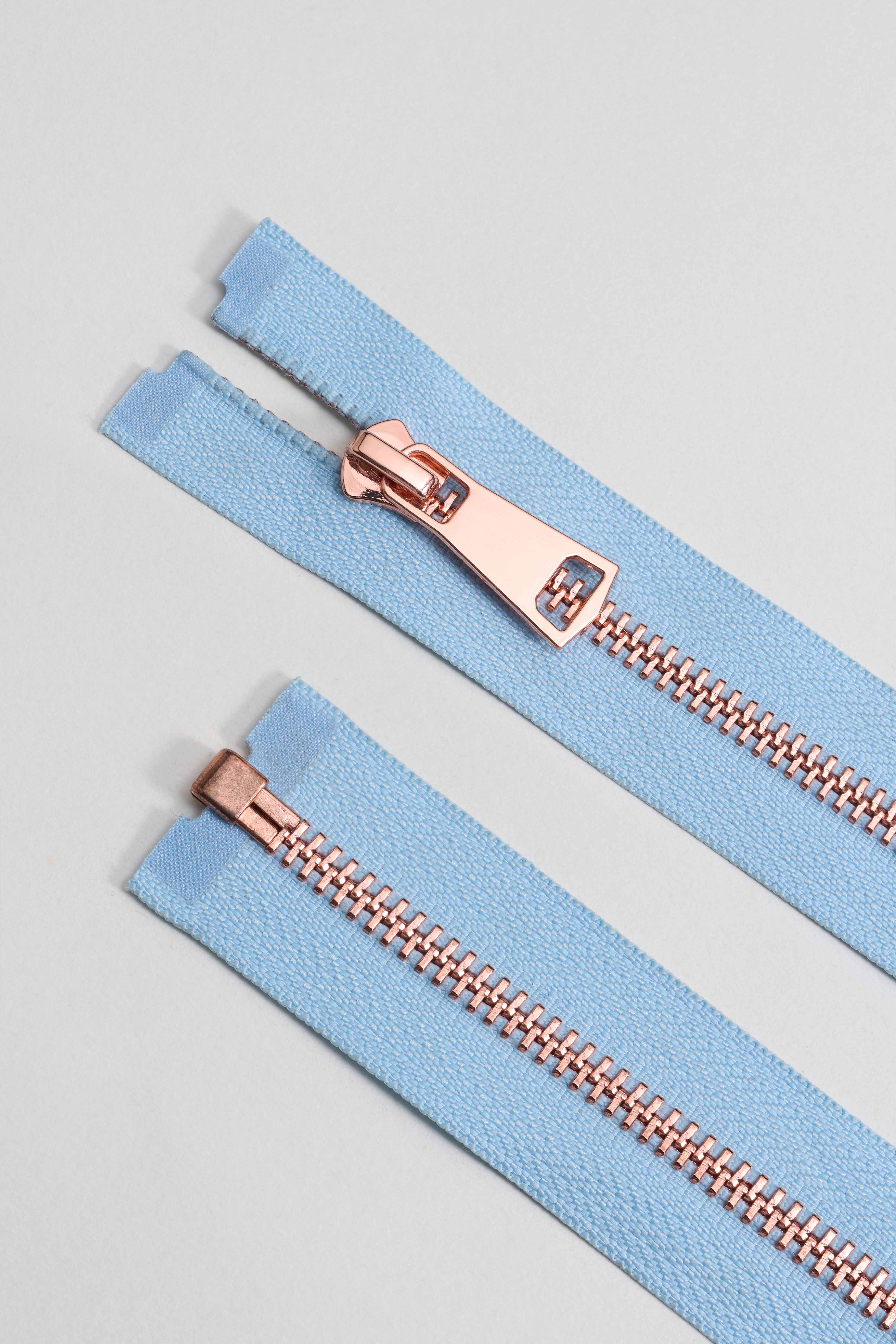
The Aluminum Alloy zipper offers a rich surface finishing range: bright silver, matte silver, black and champagne anodizing. The four options cover the most common brand directions — a technical bright look, a low-glare matte look, a neutral black, and a warm champagne tone that pairs with soft-gold hardware elsewhere on the product.
Where a programme needs to match a brass aesthetic without the brass weight, YAB ZIPPER also runs aluminum Y teeth surface treatment processes including antique silver, antique copper, brass, light gold, black teeth, white gold, bright silver and bright black, and has put into production an aluminum Y teeth plated titanium alloy series in platinum, black gold, light gold and rose gold. Those additional finishes make it possible to harmonise a mixed-hardware design — an aluminum main zipper with brass detail hardware — without a visible colour break.
Finish is where the environmental criterion enters the specification. The published salt spray result for the Aluminum Alloy zipper line is greater than 24 hours, and that is the figure to quote when a buyer is asked why a finish was selected. Equally important is the stated working boundary: the product is built for daily indoor use at normal temperature, outdoor use at normal or low temperature including rain and snow, light humidity and slight friction, and conventional washing — but it is not intended for long-term high-salt seaside exposure or heavy washing with strong acid and alkali. A buyer specifying for a coastal market or an industrial wash programme is outside that boundary and should raise it before sampling, not after.
What 410N, 24-hour salt spray and 35%–50% weight reduction mean in practice
410N crosswise tensile strength is the lateral load the zipper resists across the closed teeth. It is the number to place next to the brass figure of 510N, because the comparison tells a buyer where each material belongs. Where the higher brass value is a product requirement, brass remains the correct choice. Where the load is carried by a structured panel and the zipper's job is closure, the aluminum line's 410N is the number to design against.
Greater than 24 hours of salt spray is the corrosion evidence point. It supports the stated use envelope — normal and low temperature, rain and snow, light humidity, conventional washing — and it is the figure an auditor or a technical reviewer can check against the sample report.
35% to 50% weight reduction versus brass is the reason most projects start the conversation. On a hard luggage shell or a backpack with multiple closures, the saving is not theoretical: it accumulates across every zipper on the item and affects the finished weight the end customer feels at retail and carries at the airport.
Step-by-step: building a specification that survives bulk production
- Name the failure mode first. Decide whether the project is reducing weight, improving corrosion resistance, matching a hardware colour, or improving slider feel. One primary driver keeps the rest of the matrix honest.
- Lock the tooth profile. Choose Y teeth, Corn teeth, Euro teeth or Normal teeth from the design reference, and confirm the profile exists in the size and finish you need as one orderable configuration.
- Derive the size from the opening. Use the millimetre width behind #3, #5 and #8 to select the chain for each opening rather than applying one size across the whole item.
- Select the finish against the climate. Bright silver, matte silver, black or champagne anodizing — then match the finish to the stated use envelope and the greater than 24 hour salt spray requirement.
- Assign the tensile requirement per zone. State 410N as the line value and identify which zone of the finished item is load-critical, so the sample test targets that zone.
- Add the OEM branding before sampling. Custom logo on the slider and puller is available for OEM, and branding affects the sample timeline, so it belongs in the first brief.
- Validate on a physical sample, then repeat. Confirm 410N, greater than 24 hours salt spray, smooth sliding along the full length, finish match under daylight, and weight against the brass item. Record the approved values so repeat orders are checked against a number, not a memory.
Application mapping: hard luggage, backpacks and sportswear
| Application | Starting size | Typical finish direction | Why this configuration |
|---|---|---|---|
| Hard luggage (main compartment and shell openings) | #8 | Bright silver or black | Widest closed chain in the range for the highest-load opening; the 35%–50% weight saving is largest where multiple zippers run the full perimeter. |
| Backpacks and day packs | #5 | Black or matte silver | Balances a mid-width chain with a low-glare finish; supports the outdoor use envelope of normal or low temperature, rain and light humidity. |
| Sportswear and light garments | #3 | Matte silver or black | Narrow chain for short openings and pocket entries; matte finishes reduce glare on performance fabrics. |
For hard luggage, the aluminum alloy case is straightforward: reduced finished weight, a bright or black finish that reads as technical hardware, and a #8 chain for the openings that see the most pull. For backpacks, #5 in black or matte silver matches the utilitarian finish language most outdoor programmes use, and the greater than 24 hour salt spray result covers rain and light humidity exposure. For sportswear, the argument is different — #3 is chosen for how the tape sits in a seam and how the slider feels against the body, with matte silver or black keeping the hardware visually quiet.
Two special requirements sit outside the standard matrix and must be declared at the inquiry stage rather than assumed: waterproof construction to IP66, impact resistance to IK08, and anti-theft slider designs are handled as special requirements, not as default options on the aluminum alloy line.
Aluminum alloy vs brass: the selection table
| Parameter | Aluminum Alloy zipper | Brass zipper |
|---|---|---|
| Crosswise tensile strength | 410N | 510N |
| Salt spray test | Greater than 24 hours | Greater than 24 hours |
| Weight | 35%–50% lighter than brass | Reference weight |
| Sliding performance | Smooth | Smooth |
| Tooth profiles | Y teeth, Corn teeth, Euro teeth, Normal teeth | Y teeth, Euro teeth, Corn teeth, Normal teeth |
| Sizes | #3, #5, #8 | #3, #5, #8 |
| Standard finish range | Bright silver, matte silver, black, champagne anodizing (plus additional aluminum Y teeth treatments and plated titanium alloy series) | Gold, antique brass, gunmetal, nickel silver; nickel-free option available and compliant with EU REACH |
| OEM logo on slider and puller | Available | Accepted for OEM and ODM |
| Cost position | Competitive cost compared with brass, supporting budget control | Higher material position, chosen where 510N is required |
Read the table as a decision tool rather than a scorecard. The brass column wins on the tensile figure and on the nickel-free REACH-compliant option. The aluminum column wins on weight, on finish range for anodized colour, and on cost position. A programme that needs both — heavy load in one zone, weight and colour in another — can specify both materials on the same item, which is why the comparison is worth having on one page.
Frequently asked questions
What performance values should an aluminum alloy custom zipper meet?
The Aluminum Alloy zipper line from YAB ZIPPER is published with a crosswise tensile strength of 410N, a salt spray result greater than 24 hours, and smooth sliding performance. These are the three values to write into an order. Note that the brass line carries 510N, so the 410N figure should be checked against the load requirement of the specific opening rather than treated as a universal pass.
Which tooth profiles and sizes can be customized?
The Aluminum Alloy zipper is available in Y teeth, Corn teeth, Euro teeth and Normal teeth, each registered as its own product category — Aluminum Alloy Y Teeth Zipper, Corn Teeth Zipper, Euro Teeth Zipper and Normal Teeth Zipper. Sizes #3, #5 and #8 are in stock, and the standard finish range covers bright silver, matte silver, black and champagne anodizing.
Can our logo be added to the slider and puller?
Yes. Custom logo on the slider and puller is available for OEM on the Aluminum Alloy zipper, and on the brass zipper it is accepted for OEM and ODM. Branding should be raised in the first brief rather than after the sample, because the slider and puller specification is confirmed together with the tooth profile.
How does the cost of aluminum alloy compare with brass?
The Aluminum Alloy zipper is positioned at a competitive cost compared with brass zipper, which supports budget control on volume programmes. The commercial case is reinforced by the 35% to 50% weight reduction against brass, since a lighter finished item also changes what the product costs to move and to carry.
What should be verified on the sample before bulk production?
Check five things against the approved specification: crosswise tensile strength of 410N, salt spray greater than 24 hours on the actual selected finish, smooth sliding along the full length without jamming, weight compared with the brass item you are replacing, and a finish match under daylight rather than on a screen. If the logo is part of the programme, verify its legibility on the slider and puller at the same time. YAB ZIPPER (Wenzhou Runhe Garment Accessories Co., Ltd.) supplies sample and quotation support through liam@cnyab.com and WhatsApp +86 13705778502 — a specification sheet with profile, size, finish and target values is enough to start.
Conclusion: the matrix, not the material, decides
Aluminum alloy is not simply the lighter version of brass; it is a different point on the same curve. Its 410N crosswise tensile strength, greater than 24 hour salt spray result, smooth sliding and 35% to 50% weight advantage over brass make it the right starting point for hard luggage, backpacks and sportswear — provided the tooth profile is locked first, the size is derived from the millimetre width behind #3, #5 and #8, and the finish is chosen against the climate the product will actually live in. Where 510N or a nickel-free REACH-compliant brass option is the requirement, brass stays in the specification.
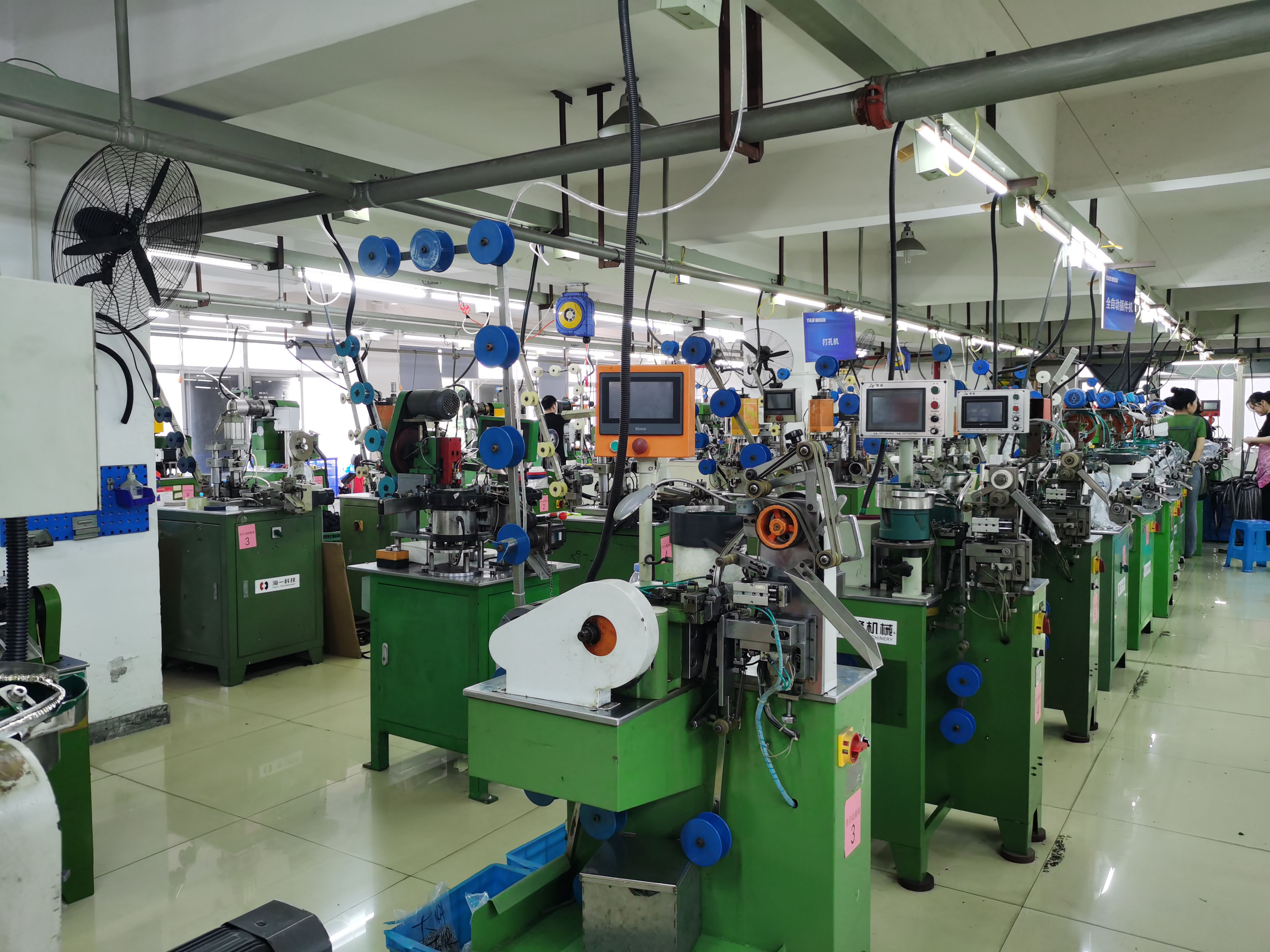
Wenzhou Runhe Garment Accessories Co., Ltd. — trading as YAB ZIPPER — has manufactured metal zippers since 1993 from a 10,000 m² facility in Wenzhou, Zhejiang, China, with approximately 150 staff, more than 500 zipper production machines, an annual capacity of 70,000,000 pieces and a 10-engineer R&D team. The company holds ISO9001-2008 and OEKO-TEX 100 certification, is the sixth president unit of the Wenzhou Zipper Chamber of Commerce and was elected its president in 2018, and exports to Southeast Asia, where export business accounts for 30% of total sales.
Next step: turn the matrix into a sample
Send the profile, size, finish and target values — 410N, greater than 24 hours salt spray, smooth sliding — and YAB ZIPPER will match them to an Aluminum Alloy zipper configuration for evaluation. OEM logo on slider and puller can be included in the same round.

Email: liam@cnyab.com | Tel / WhatsApp: +86 13705778502 | Website: www.cnyab.com
Address: No.8 Xigong West Rd., Longwan, Wenzhou, Zhejiang, China
Download the company profile and full product range: YAB ZIPPER Company Profile (PDF)
Have Questions or Need More Details?
Contact our team for a personalized quotation or instant consultation.
Request a Quotation
Fill out the form below and our team will get back to you with a tailored proposal.
WhatsApp Direct Chat
Prefer to chat in real-time? Message us on WhatsApp for instant assistance & quick answers.
- Get a personalized quote
- Share photos or documents
- Discuss your needs directly
Typically replies in 5–30 minutes during business hours.