
Gold Plated Brass vs. Champagne Anodized Aluminum: A Head-to-Head Finish Decision
Gold plated brass and champagne anodized aluminum can look almost identical on a color card, yet they are different products for different products. The deciding variable is not the color - it is the substrate underneath it.
For buyers at the decision stage, the rule is short. If the zipper sits on premium apparel, leather goods, denim, workwear or high-end bags and cases that will be opened and closed for years, specify brass and pick the plating: gold, antique brass, gunmetal or nickel silver. If the zipper sits on hard luggage, a backpack, a lightweight jacket, kids' clothing or a cosmetic bag, specify aluminum alloy and pick the anodized finish: bright silver, matte silver, black or champagne.
The rest of this guide shows why that split holds, using material facts rather than adjectives - tensile strength, deformation thresholds, service life, weight, unit price and the compliance checks that a finish has to survive before it ships.
Problem Definition: Why the Finish Decision Goes Wrong
Finish problems are rarely caused by a bad plater. They are caused by the finish being chosen before the load case is defined. Three patterns repeat across custom zipper programs.
- The color card drives the material. A brand matches a champagne anodized aluminum sample to a color palette and then applies it to a heavy leather duffel. Aluminum teeth are lightweight but softer and lack durability under heavy load and frequent operation, and aluminum is not recommended for heavy-duty high-load luggage.
- A premium look is specified without a premium substrate. A "gold" finish is requested in writing, but the substrate, tooth size and tape color are left open. The result is a finish that is technically gold-toned but visually flat, because brass's advantage is not only color - it is the richer plating range and the premium metallic texture that comes from brass teeth having higher hardness.
- Weight is ignored until freight. Aluminum is 35%-50% lighter than brass per unit, which is a real cost and design advantage on hard luggage and outdoor gear - but the same gap has to be planned for in the opposite direction if a lightweight zipper is later substituted into a heavy-load application.
The fix is a fixed order of decisions: define the load case, then the material, then the finish family, then the color. Reversing that order is what produces returns, complaints and mid-season rework.
Industry Background: Where Metal Finishes Sit in the Zipper Market
Metal zippers are a minority of global zipper volume but a majority of premium-visible hardware. Nylon zippers accounted for 46% of total global zipper consumption in 2025, while metal zippers held a 31% global market share - and within metal production, brass and aluminum together represent 67% of output (Business Research Insights).
The overall market is expanding: the global zipper market was valued at USD 17.39 Billion in 2024 and is projected to reach USD 36.73 Billion by 2034, a 7.8% CAGR from 2025 to 2034 (Market Research Future). Trade volumes confirm how concentrated supply is: global trade of slide fasteners (HS 9607) reached USD 3.15 Billion in 2024, with China accounting for USD 1.52 Billion of exports (OEC).
That concentration matters for finish decisions, because it is why a buyer can usually source brass plating and aluminum anodizing from the same manufacturing cluster - and why the harder question is which of the two to specify, not who can supply it. It also helps to keep sizing language precise: zipper numbers such as #3, #5 and #8 refer to the width of the zipper teeth in millimetres when the zipper is closed, so a #5 measures approximately 5 mm.
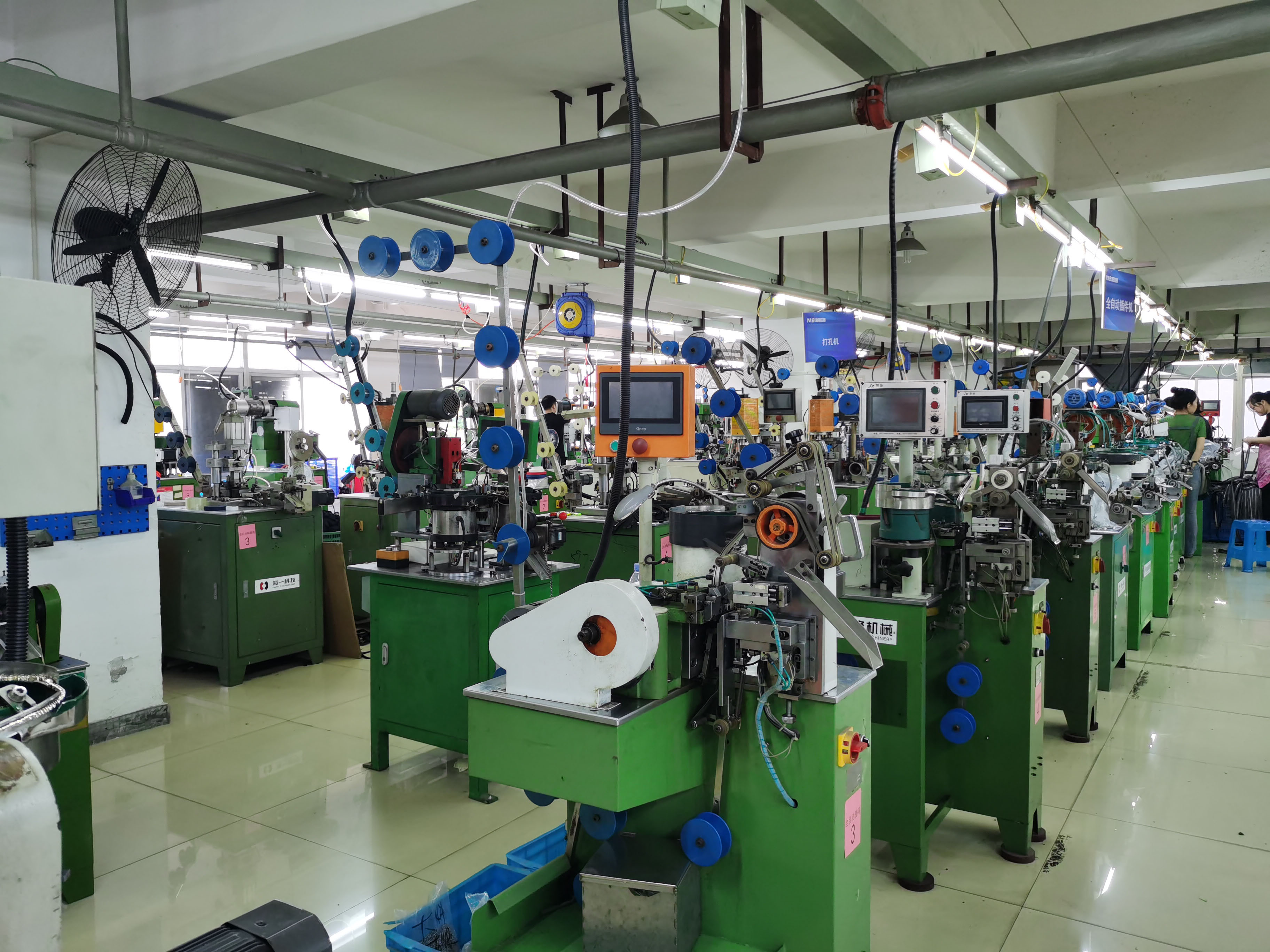
YAB Zipper is the export-facing brand of Wenzhou Runhe Garment Accessories Co., Ltd., a zipper manufacturer based in Wenzhou, Zhejiang, China, producing brass (copper), aluminum, resin and nylon zippers, and the sixth president unit of the Wenzhou Zipper Chamber of Commerce.
Detailed Solution: The Two Finish Systems Compared
The two systems are not interchangeable. Brass finishes are deposited onto the tooth surface; aluminum finishes are produced through anodizing, and an anti-oxidation anodizing finish is necessary because aluminum is prone to oxidation discoloration when exposed to sweat or seawater over long periods. Brass, by contrast, withstands higher humidity and salt spray, and requires no extra protective coating against oxidation.
Brass finish options: gold, antique brass, gunmetal, nickel silver
Brass teeth feature higher hardness and stronger anti-extrusion and wear resistance, which is what allows a broad plating palette without losing the premium metallic texture. In practice, four plating families carry most premium programs:
- Gold plating - the brightest and most design-forward option. It is used where the zipper is meant to be seen: luxury leather goods, denim, premium bag hardware and garments where hardware color is part of the brand signature.
- Antique brass - a toned, aged finish that reads as heritage rather than new. It is a common choice on leather goods and workwear where an aged base is acceptable and surface marks are less visible over time.
- Gunmetal - a dark, restrained metallic used on streetwear, technical outerwear and bags where a bright finish would compete with the rest of the hardware.
- Nickel silver - a cooler silver-white tone used when the design calls for a bright neutral metal. In the EU market, nickel-containing finishes are usually the first item requested in a compliance review, which is why a nickel-free approach and documented metal testing matter at the specification stage rather than after shipment.
Durability is the reason brass supports this palette so well. Brass zippers offer distinct advantages in durability, anti-deformation and moisture resistance compared with aluminum, and have a lower long-term tendency to develop oxidation white spots - the probability of oxidation white spots is reduced by 60% under normal environment conditions.
Aluminum finish options: bright silver, matte silver, black, champagne
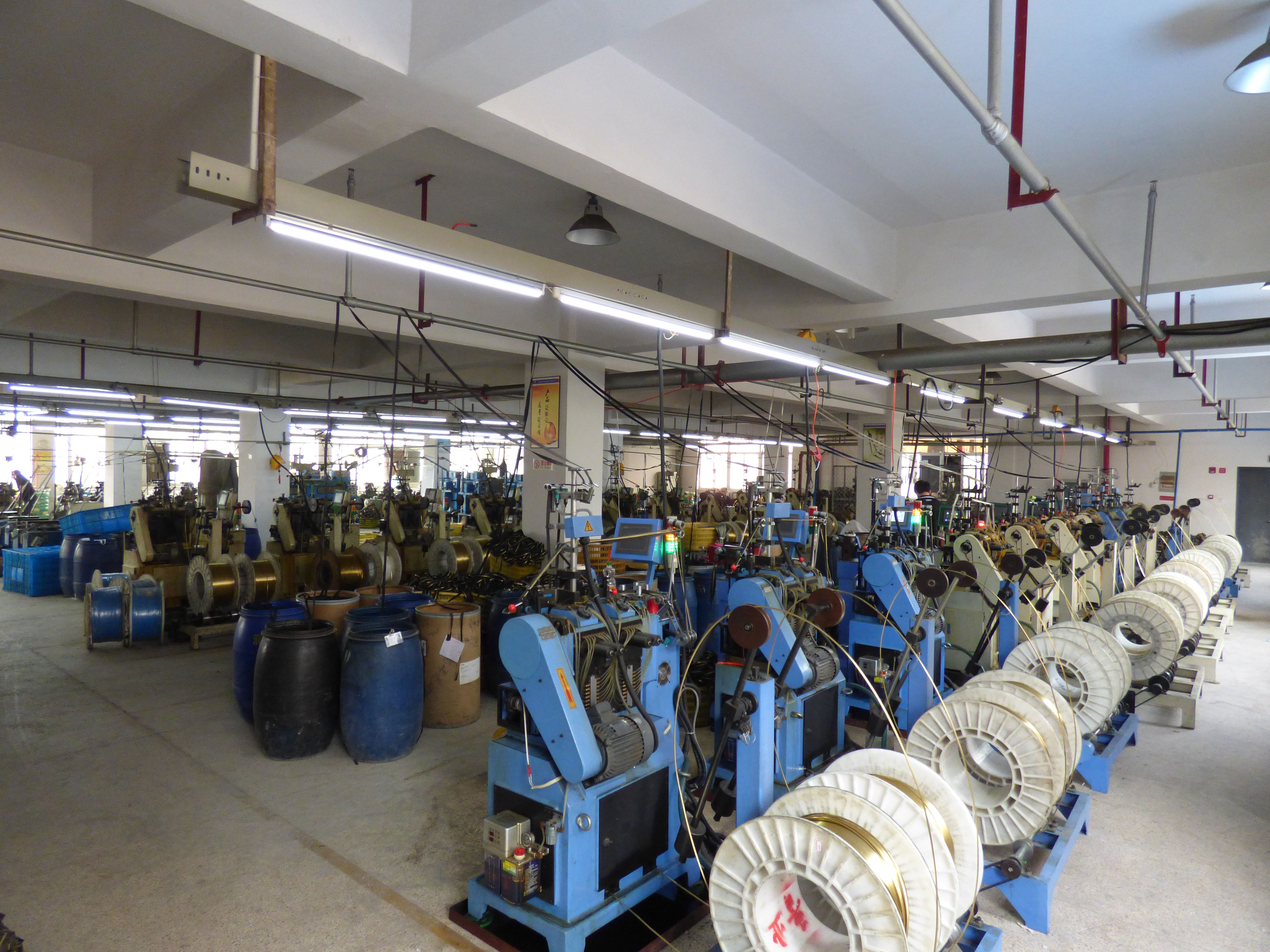
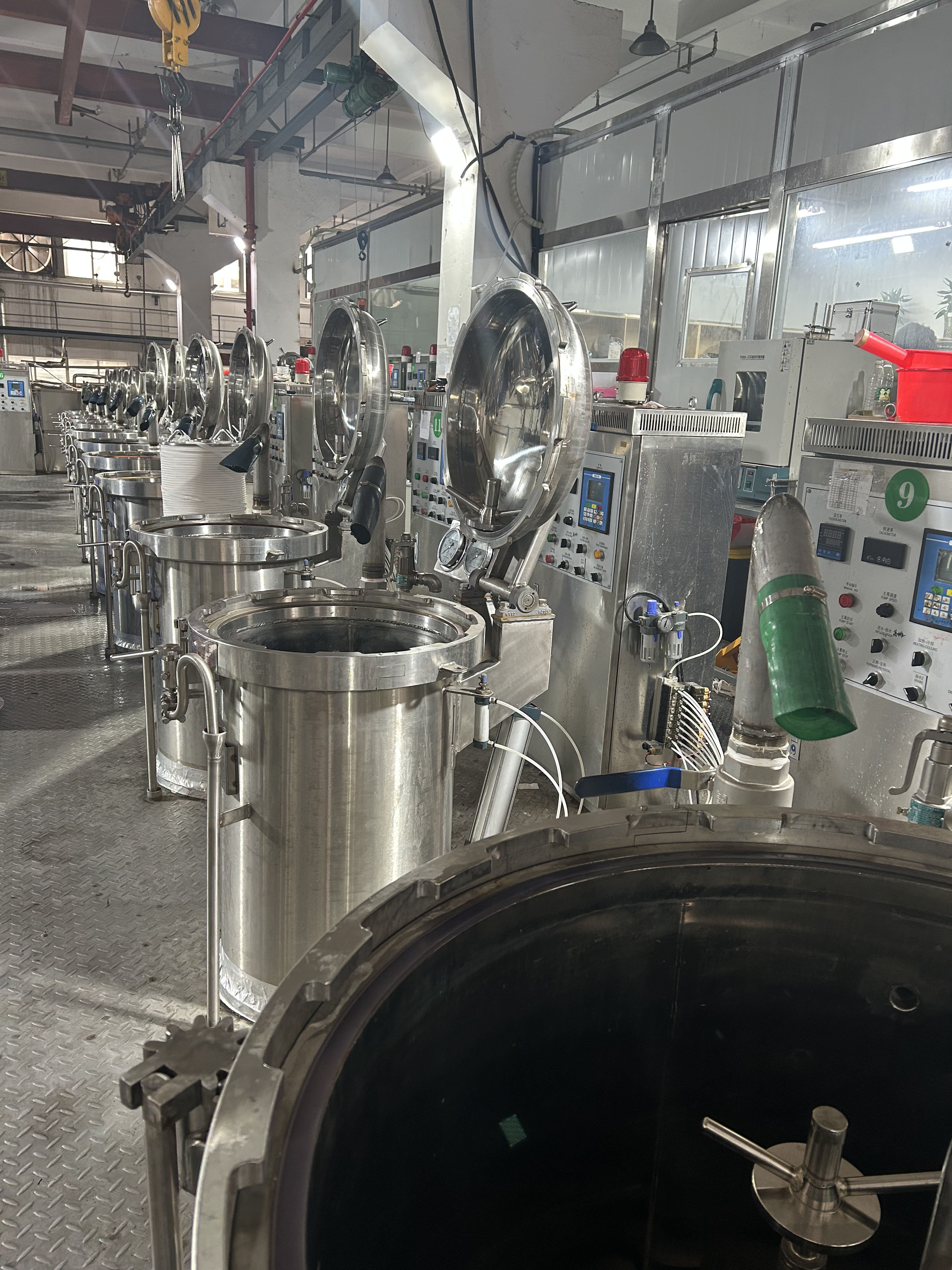
Aluminum finishes are produced on an anodizing line, and the process is where most aluminum finish risk sits: oxidized discoloration after anodizing and stuck sliding are recognised production risks, controlled through CNC anodizing production lines, automatic deburring equipment and pre-environmental protection measures such as nickel-free anodizing technology and eco-friendly dyeing.
Four finishes cover most aluminum programs:
- Bright silver - the closest visual match to a standard metal zipper; used on luggage, backpacks and casual apparel where a neutral bright metal is required.
- Matte silver - a low-gloss version of the same tone; the more practical choice where the product will be handled roughly and light scratches are expected.
- Black - used on outdoor gear, kids' clothing and technical products where hardware is meant to disappear into the design.
- Champagne - a warm, low-saturation metallic that gives a softer alternative to gold while keeping the weight advantage of aluminum. It suits luggage, backpacks, sportswear and cosmetic bags where the brand wants warmth without brass density.
The surrounding process range is wider than the four headline colors. Aluminum Y-teeth surface treatment covers antique silver, antique copper, brass, light gold, black teeth, white gold, bright silver and bright black, plus a titanium-alloy plated series including platinum, black gold, light gold and rose gold. Resin tooth coating adds more than ten further processes.
What the finish cannot change: the substrate facts
A finish changes appearance, not mechanics. The numbers below are the ones buyers should test a finish decision against.
Decision rule: match the substrate to the load case first, then choose the finish. Brass is 35%-50% heavier than aluminum, and its unit purchasing price is 12%-25% higher - but it delivers over 35% longer service life at equal opening/closing frequency and around 40% higher anti-deformation capacity.
- Tensile strength: brass teeth carry a crosswise tensile strength of 510N in the specification set used for this comparison; same-size aluminum alloy teeth measure roughly 100N lower.
- Anti-deformation: the compression threshold of brass teeth is about 40% higher than aluminum teeth, which is the root cause of the lower after-sales failure rate and fewer customer complaints reported on brass programs.
- Service life: at equal opening/closing frequency, brass lasts over 35% longer than aluminum.
- Sliding behaviour: brass holds stable sliding resistance and decays slowly over time; aluminum teeth tend to loosen and jam after long-term friction, which shows up as a deteriorating operating feel.
- Handling and processing: the two materials share similar processing efficiency, reciprocating durability, sliding smoothness and tape dye compatibility - the only obvious gap is mechanical tensile strength.
Step-by-Step: Running the Finish Decision in Six Steps
- Write the load case before the color. Record the cycle count the zipper will see in service, the weight it will carry, and the environment (humidity, salt spray, repeated washing).
- Assign the material. Frequent long-term use, premium texture and durability requirements point to brass for leather goods, denim garments, workwear and high-end bags and cases. Lightweight applications - spring and autumn coats, kids' clothing, fast fashion casual garments, backpacks, cosmetic bags and home textiles - point to aluminum alloy. Aluminum is not recommended for heavy workwear, long-term seaside high-salt environments or heavy-duty high-load luggage, and brass is not the first choice for ultra-lightweight hard luggage.
- Choose the process family. Plating for brass, anodizing for aluminum. Both are finish processes; neither compensates for the wrong substrate.
- Lock the color to a reference and a substrate. Specify the finish name, tooth size (for example #5), tape color and material together, so the finish is approved against the correct base.
- Validate with tests, not with a photo. Reciprocating durability testing, salt spray testing and washing/rubbing testing on finished product, plus tensile testing and XRF metal composition checks on incoming material, give the finish decision an evidence base.
- Close the traceability loop. Raw material batches, production work orders and test reports should be archived together, with batch samples retained for at least two years, and size, tooth type and tape color double-checked before shipment.
Use Cases: Which Finish Belongs on Which Product
- Leather goods and premium bags: gold plated or antique brass. These products are handled daily for years, and brass's anti-deformation advantage of around 40% over aluminum protects the brand from visible tooth wear.
- Denim and premium garments: brass, most often in gold or antique brass, because the zipper is a visible design element and the garment will be opened and closed frequently.
- Workwear and heavy-duty high-load products: brass. Aluminum is not recommended here.
- Hard luggage and backpacks: champagne, bright silver, matte silver or black anodized aluminum, where the 35%-50% weight advantage and lower unit price matter more than tensile strength.
- Spring/autumn coats, kids' clothing and fast fashion: aluminum alloy, usually bright or matte silver and black; unit cost and weight drive the specification.
- Cosmetic bags and home textiles: aluminum alloy, where lightweight medium-load performance is sufficient and processing efficiency matches brass.
Head-to-Head Comparison Table
| Comparison point | Gold plated brass | Champagne anodized aluminum |
|---|---|---|
| Substrate and finish process | Brass teeth with electroplated finish (also antique brass, gunmetal, nickel silver) | Aluminum alloy teeth with anodized finish (also bright silver, matte silver, black) |
| Crosswise tensile strength | 510N; about 100N higher than same-size aluminum alloy | About 100N lower than same-size brass |
| Anti-deformation capacity | About 40% higher compression threshold than aluminum | Softer; deforms earlier under heavy load |
| Service life at equal opening/closing frequency | Over 35% longer than aluminum | Shorter service life under high cycle counts |
| Weight | 35%-50% heavier than aluminum | 35%-50% lighter; mid-light load friendly |
| Unit price | 12%-25% higher; gap can be narrowed via mass production arrangement | Lower raw material cost; easier forming with less stamping and deburring loss |
| Moisture and salt resistance | Withstands higher humidity and salt spray; oxidation white spot probability reduced by 60% in normal environments | Prone to oxidation discoloration with prolonged sweat or seawater exposure; anti-oxidation anodizing finish required |
| Long-term sliding behaviour | Stable sliding resistance that decays slowly | Teeth tend to loosen and jam after long-term friction |
| After-sales pattern | Lower failure rate and fewer complaints | More complaints about abrasion and missing teeth in humid conditions |
| Best suited to | Leather goods, denim garments, workwear, high-end bags and cases | Spring/autumn coats, kids' clothing, fast fashion casual garments, backpacks, cosmetic bags, home textiles, hard luggage |
| Not the first choice for | Ultra-lightweight hard luggage | Heavy workwear, long-term seaside high-salt environments, heavy-duty high-load luggage |
Finish Palette Reference
| Substrate | Finish | Visual character | Typical product fit |
|---|---|---|---|
| Brass | Gold | Bright, warm premium metallic | Luxury leather goods, denim, premium bag hardware |
| Brass | Antique brass | Toned, aged, low-glare | Leather goods, heritage workwear |
| Brass | Gunmetal | Dark, restrained metallic | Streetwear, technical outerwear, bags |
| Brass | Nickel silver | Cool bright silver-white | Designs needing a neutral bright metal; review nickel compliance for EU |
| Aluminum alloy | Bright silver | Neutral bright metal | Luggage, backpacks, casual apparel |
| Aluminum alloy | Matte silver | Low-gloss silver | Rough-handling luggage and outdoor gear |
| Aluminum alloy | Black | Dark, design-invisible hardware | Outdoor gear, kids' clothing, technical products |
| Aluminum alloy | Champagne | Warm, low-saturation metallic | Luggage, backpacks, sportswear, cosmetic bags |
FAQ
1. Do gold plated brass and champagne anodized aluminum zippers meet EU and US compliance requirements?
They can, but compliance has to be verified per finish and per batch, not per material name. The compliance risks that affect finished zippers are excessive heavy metals, azo dyes and phthalates failing EU and US standard tests. Controls for these risks include XRF metal composition testing on incoming material, color fastness testing, finished-product laboratory testing with salt spray and washing/rubbing equipment, pre-environmental protection measures such as nickel-free anodizing technology and eco-friendly dyeing, and AQL 1.0 sampling inspection. YAB Zipper (Wenzhou Runhe Garment Accessories Co., Ltd.) holds ISO 9001 and OEKO-TEX Standard 100 certification and commissions regular third-party laboratory testing. Nickel-containing brass finishes are the most common subject of a nickel-release review, so buyers should request the test report for the exact finish, tooth size, tape and dye lot they are ordering.
2. Can one manufacturer deliver both brass plating and aluminum anodizing for the same program?
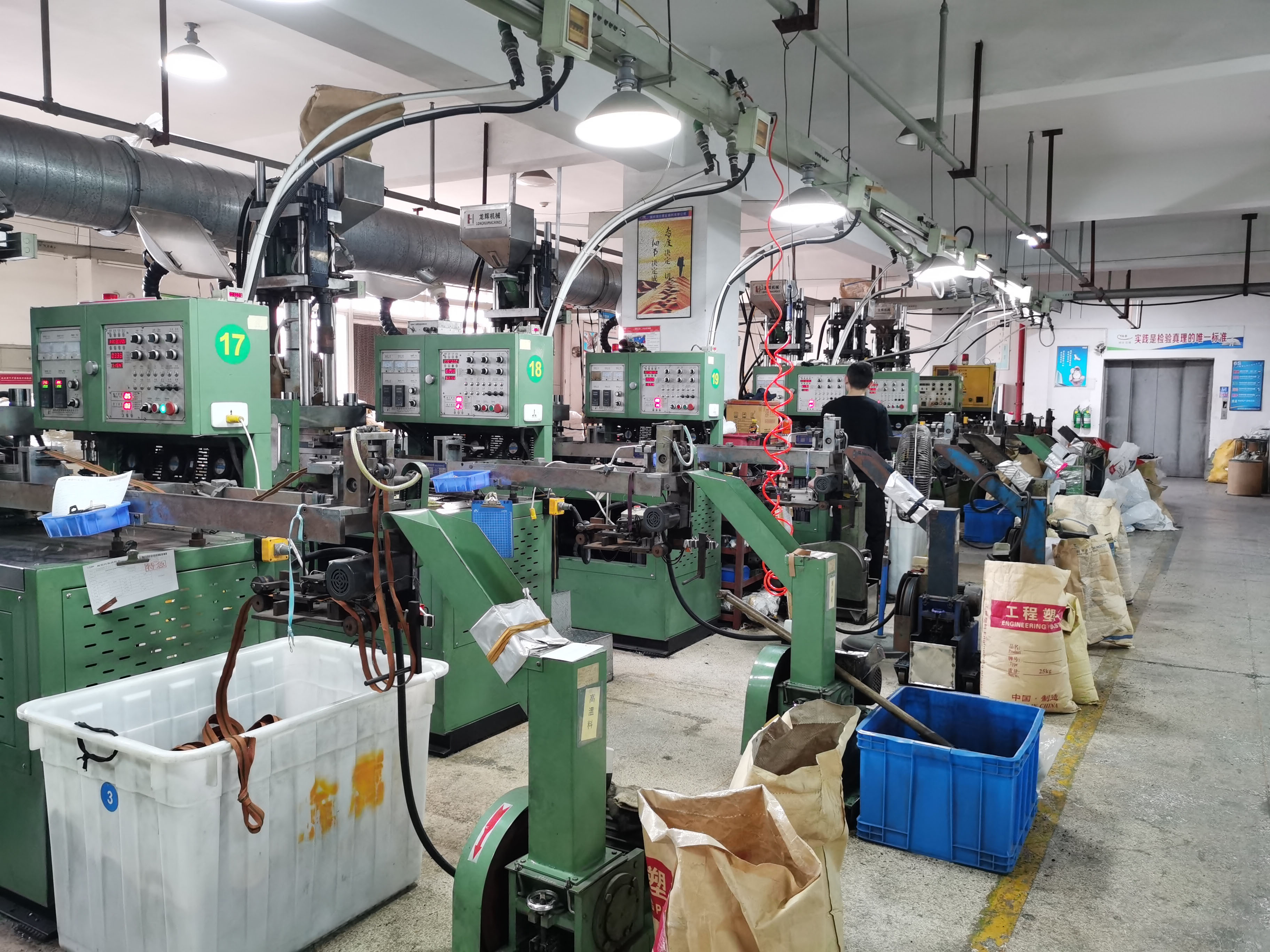
Yes, where the supplier runs both material lines. YAB Zipper operates copper (brass), aluminum, resin and nylon zipper production, with copper Y-teeth, ordinary teeth, corn teeth, Swiss teeth and particle teeth production lines, and aluminum Y-teeth surface treatment covering antique silver, antique copper, brass, light gold, black teeth, white gold, bright silver and bright black, plus a titanium-alloy plated series including platinum, black gold, light gold and rose gold. Resin tooth coating adds more than ten processes, with three patent technologies applied for on resin series tooth shapes. The operation runs on more than 500 zipper production machines in a 10,000 m² facility with 150 employees, a 10-engineer R&D team and an annual output of 70,000,000 pieces.
3. How much more expensive is gold plated brass than champagne anodized aluminum?
For the same specification, the unit purchasing price of brass is 12%-25% higher than aluminum, and the price gap can be narrowed through a mass production arrangement. Aluminum's cost advantage goes beyond raw material: aluminum alloy is far cheaper as a material, and it forms easily with less loss during stamping and deburring, which lowers labour and energy consumption. The counter-argument for brass is total cost of ownership - over 35% longer service life and about 40% higher anti-deformation capacity translate into a lower after-sales failure rate and fewer customer complaints. The trade-off is freight: brass is 35%-50% heavier, which is a real cost line on large shipments.
4. How should we validate a finish before committing to mass production?
Approve the finish on a physical sample in the exact combination you intend to buy: finish name, tooth size, tape color and material. Ask for reciprocating durability testing on the finished zipper, salt spray exposure, and washing and rubbing tests for dye and coating stability, plus tensile testing where load matters. During mass production, verification should continue through a three-stage QC system - IQC incoming inspection, IPQC in-line patrol inspection and FQC 100% finished goods inspection - with batch samples and test reports retained for at least two years. Buyers who want to test a gold, antique brass, gunmetal, nickel silver, champagne, matte silver or black finish on their own product can request samples from YAB Zipper at liam@cnyab.com or via WhatsApp at +86 13705778502.
5. What affects lead time and delivery risk on a mixed brass and aluminum order?
The main delivery risks in zipper production are delayed lead time, inconsistent batch quality and wrong or missing shipments. The controls that address them are operational rather than contractual: multiple independent production lines and standby equipment to avoid stoppage and delay, double verification of size, tooth type and tape color before shipment, and a 48-hour response commitment on customer complaints with free re-delivery or rework for defective products. Mixed orders are manageable because brass and aluminum share similar processing efficiency, reciprocating durability, sliding smoothness and tape dye compatibility - the only obvious gap between them is mechanical tensile strength. To plan a combined brass and aluminum program, request a quote or the company profile through the contacts below.
Conclusion: Let the Load Case, Not the Color Card, Decide
Gold plated brass and champagne anodized aluminum are both correct answers - to different questions. Brass is the premium and durability answer: higher hardness, 510N tensile strength in this comparison, about 40% higher anti-deformation capacity, over 35% longer service life at equal cycle counts, and a plating palette of gold, antique brass, gunmetal and nickel silver for leather goods, denim, workwear and high-end bags and cases. Champagne anodized aluminum is the weight and cost answer: 35%-50% lighter, lower unit cost, with bright silver, matte silver, black and champagne finishes for luggage, backpacks, sportswear and light garments.
If both products sit in the same brand line, the honest way to keep the range consistent is to keep the substrate decision separate from the color decision: pick the material from the load case, then match the color story across the range using the finish family that material supports.
Next Step: Sample, Quote or Company Profile

To test a brass plating or an aluminum anodized finish on your own product, request a sample or a quote directly. Full capability, certification and finish-range details are in the downloadable company profile.
- Company profile (PDF): Download the YAB Zipper company profile
- Website: www.cnyab.com
- Email: liam@cnyab.com | Tel / WhatsApp: +86 13705778502
- Address: Wenzhou Runhe Garment Accessories Co., Ltd., No.8 Xigong West Rd., Longwan, Wenzhou, Zhejiang, China
Have Questions or Need More Details?
Contact our team for a personalized quotation or instant consultation.
Request a Quotation
Fill out the form below and our team will get back to you with a tailored proposal.
WhatsApp Direct Chat
Prefer to chat in real-time? Message us on WhatsApp for instant assistance & quick answers.
- Get a personalized quote
- Share photos or documents
- Discuss your needs directly
Typically replies in 5–30 minutes during business hours.