
Custom Zipper Supplier Vetting: Capability Checks for Brass and Aluminum Orders

A zipper sample is a small order made under close attention. The production run it wins is a large order made under schedule pressure, and the gap between the two is where most quality disputes begin. Supplier vetting for custom zipper orders is therefore less about judging one sample and more about deciding whether the factory can repeat that sample across thousands of pieces, several finishes and repeat seasons.
This guide turns the specification points buyers already argue about — size control at #3, #5 and #8, crosswise tensile strength in the 410N and 510N range, salt spray beyond 24 hours, sliding smoothness, and custom logo sliders and pullers for OEM/ODM programs — into capability checkpoints that can be verified and written into purchasing terms. The reference manufacturer used throughout is Wenzhou Runhe Garment Accessories Co., Ltd. (YAB ZIPPER), a Wenzhou-based producer of copper, aluminum, resin and nylon zippers, certified to ISO 9001:2015 (certificate 24CN34506232Q, issued 11 June 2025 by ACM INTERNATIONAL CERTIFICATION LIMITED, valid to 29 June 2027) for the production and sales of zippers.
The Real Question Behind Supplier Vetting
Vetting answers a narrower question than most checklists suggest: will the sixth shipment behave like the approved sample? A factory can answer that only if its process is measured and repeatable — not because the sample was excellent, but because the same inputs are controlled on every run.
Order parameters make the question testable. YAB ZIPPER's stated terms include an MOQ of 2000 pcs or meter, lead times of 7–30 days, 100% pre-shipment testing, monthly capacity of 300,000 units, and customization of zipper length, tape color, teeth color, teeth shape, slider shape, slider color and zipper size. Each of these is a promise; vetting is deciding which promises matter for your order and what evidence settles them.
Two suppliers fail in opposite ways. One produces a strong sample from a pilot line, then moves the order to a line with different tooling. The other runs a stable process but keeps no records, so a dispute becomes one buyer's memory against one factory's memory. Both failures are visible before the purchase order, if the buyer asks for production evidence instead of another sample.
Where Sample Evidence Stops and Production Capability Begins
Several variables move between an approved sample and a shipped batch. Plating bath chemistry and current density shift as the bath ages. Anodizing dye concentration and sealing quality drift. Punch and die wear changes tooth profile. Tape tension and heat shrinkage change finished length. Slider spring tolerance changes sliding feel. A color that matched under one light source separates under another.
None of these is visible in a single approved sample; all of them are visible in records. That is why evidence should be ranked rather than collected.
- Approved sample — proves the design is achievable; proves nothing about repetition.
- Batch inspection data — proves the supplier measures; useful only if the measurement method is stated.
- Witnessed pre-shipment test — proves the batch you are paying for passed a defined check before shipment.
- Third-party test report — proves an independent laboratory result, but only for the batch and the process it names.
- Process audit of the specific line — proves the controls exist where your order will actually run.
The practical rule: for every claim made at sample approval, name the production record that proves it at batch level. If no such record exists, the claim is a sample claim, not a capability.
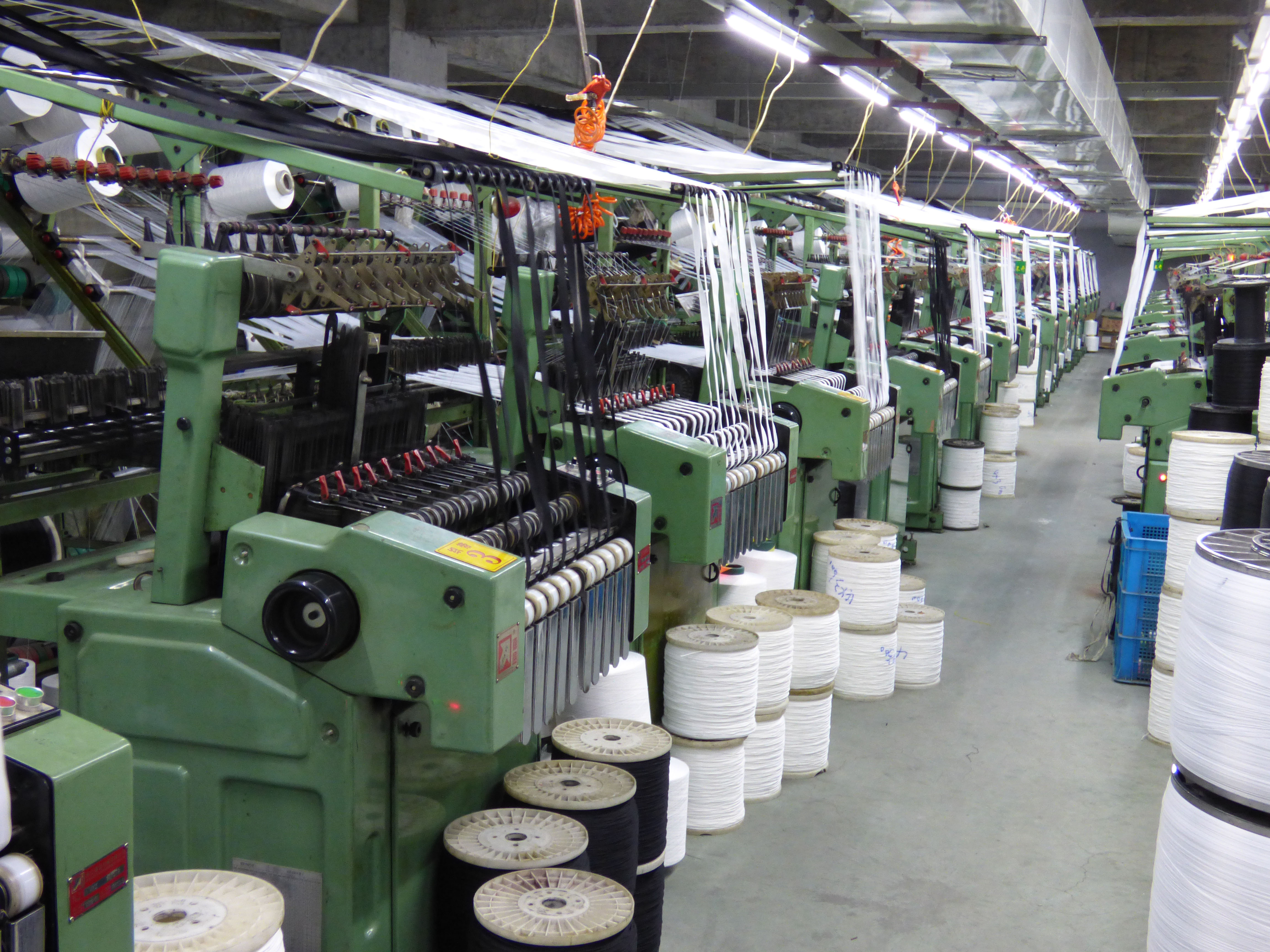
Six Capability Checkpoints for Brass and Aluminum Orders
The checkpoints below apply to both metals. The material sections that follow explain where brass and aluminum change the emphasis.
| Checkpoint | What a sample can show | What proves production capability | Where it belongs in the order |
|---|---|---|---|
| Size control at #3 / #5 / #8 | One chain measures correctly | Per-size inspection records plus tape width data | Specification annex: nominal size, tolerance, measurement point |
| Crosswise tensile strength | A single pull test on one piece | Batch test record with method and unit | Specification annex: value per size, test method |
| Salt spray beyond 24 hours | A corrosion result for one finish | Per-color report naming hours and the line used | Specification annex: hours, finish list, record format |
| Sliding smoothness | Hand feel at approval | Reciprocating test data or a stated defect rate | Specification annex: cycles, pass criterion |
| Slider and puller customization | A photograph of a branded puller | Tooling ownership, in-house or subcontracted, MOQ per mould | Specification annex: logo location, tooling terms |
| Finish and certification file | A certificate copy | Scope wording, expiry date, retained sample set per color | Document list and re-verification date |
1. Size control at #3, #5 and #8
Zipper numbering refers to the width of the closed teeth in millimeters, so a #5 chain measures about 5 mm across the teeth when closed. That single dimension governs which slider fits, how the chain flexes and how much load it carries.
Ask for the measurement point, the tolerance and the tape width in the specification. If a nominal #5 arrives at 4.7 mm, the chain no longer fits the slider and puller tooling designed for it, and the sliding result changes before any strength test is run. Mixed-size purchase orders should be segregated and labeled by size at packing, not sorted on the buyer's warehouse floor.
2. Crosswise tensile strength: write 410N and 510N into the order
Crosswise tensile strength measures the force needed to separate a closed chain when it is pulled sideways. It separates a decorative zipper from a load-bearing one, and it is the figure most often missing from a sample approval sheet.
410N and 510N are the acceptance values buyers write into brass and aluminum orders. The order must state which size and construction each value applies to, because a force value without a size reference cannot be checked on the production floor. Require the test record per batch, with the method and the unit named. This is a check that costs the supplier a few minutes and saves the buyer a shipment.
3. Salt spray beyond 24 hours
Salt spray testing measures how long a plated or anodized finish resists corrosion in a controlled saline environment. A requirement of more than 24 hours is a floor for the finish, not a ranking between suppliers.
Test finished parts rather than raw material, and test each finish color separately, because different plating chemistries can reach the same color by different routes. The record should state the test method, the hours survived, the first sign of corrosion and the line the parts came from. A 30-hour result on a sample pulled from a different bath than your order tells you very little.
4. Sliding smoothness as a measured number
Smooth sliding is usually judged by hand at sample approval and by nobody afterwards. Convert it into a measured value: a reciprocating sliding test, a defined number of cycles and a pass criterion. In the French and Spanish fast-fashion program described later in this guide, reciprocating sliding performance was tracked as a defective complaint rate below 0.3%.
Ask the supplier what it measures, how often, and what the most recent period's figure was. A supplier that cannot state a defect rate for sliding has not been measuring it.
5. Slider and puller customization for OEM/ODM
For branded programs, the slider and puller are where the logo lives. YAB ZIPPER offers OEM, ODM and custom production, with customization covering slider shape, slider color, teeth shape, teeth color, tape color, zipper length and zipper size.
The vetting questions are practical: is the logo applied to the slider body or to the puller tab; is the mould cut in-house or subcontracted; who owns the tooling and where is it stored; what is the minimum for a new slider shape; and how closely can slider color and teeth color be matched within one finish family. Answers to these five questions predict delivery reliability better than a photograph of a branded puller.
6. Finish consistency and the certification file
Certification is a scope question before it is a status question. YAB ZIPPER's ISO 9001:2015 certificate covers the production and sales of zippers, is numbered 24CN34506232Q, was issued on 11 June 2025 and expires on 29 June 2027. Read the scope wording and the expiry date, then confirm the covered process matches the material you are ordering. The company also states OEKO-TEX Standard 100 certification, which matters where the finished garment needs an eco-label file for EU customs clearance.
Finish consistency is checked with a retained sample set per color and per metal, reviewed under defined lighting and replaced whenever the plating or anodizing process changes. Retained samples are the only reliable defense against color drift across repeat orders.
What Changes When the Order Is Brass
A brass order combines a copper-zinc substrate with a plating layer, so the alloy and the finish are two separate acceptance subjects. Finish options requested on brass orders include gold, antique brass, gunmetal and nickel silver.
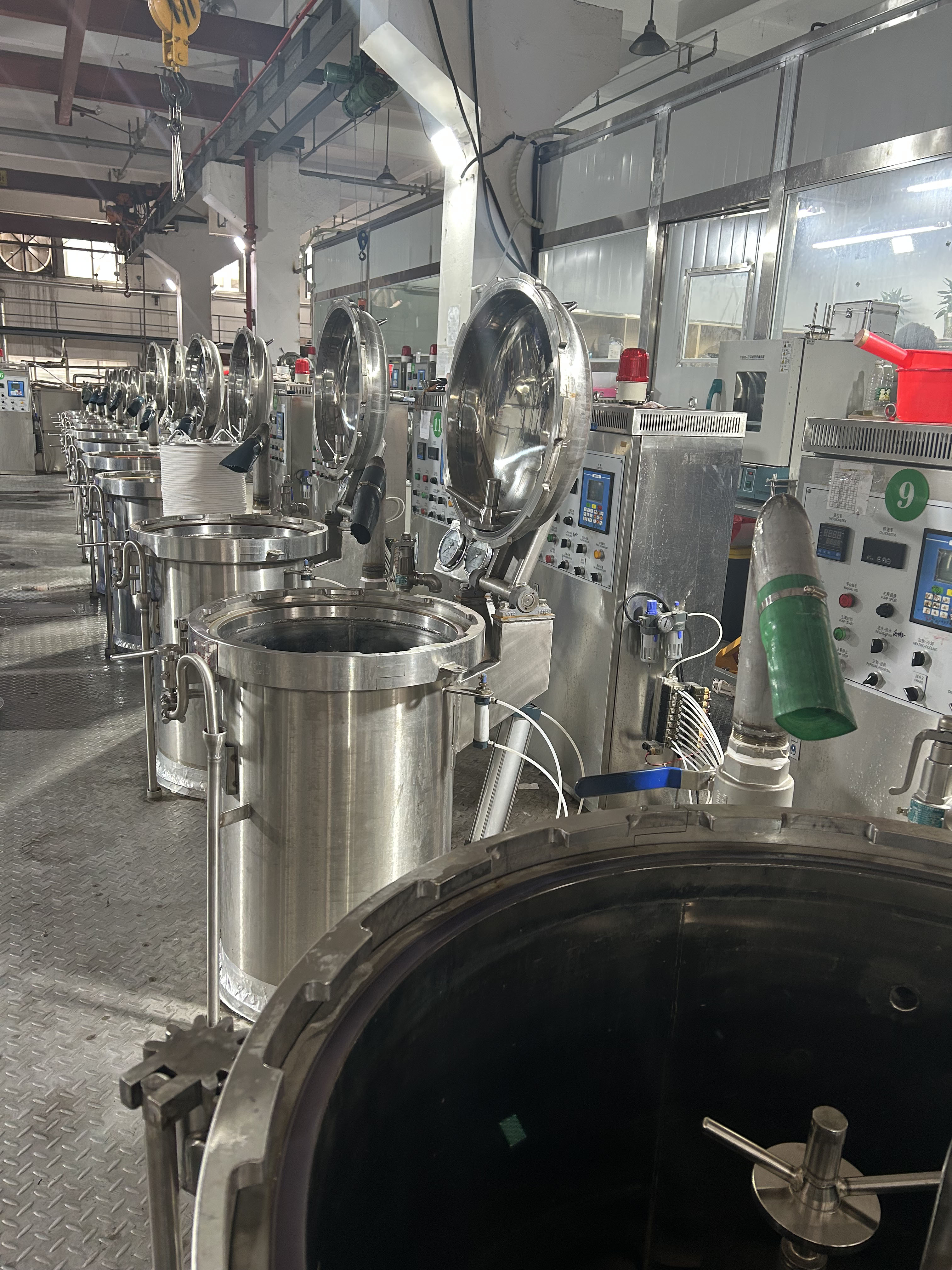
Ask which finishes are applied in-house and which are subcontracted. YAB ZIPPER's stated finish range includes antique silver, antique copper, brass, light gold, black, white gold, bright silver and bright black on its aluminum Y-teeth line, plus a titanium-alloy plating series in platinum, black gold, light gold and rose gold; the company states these surface treatments reach the standard of its copper zipper series. Whatever the finish name, the order should list it per purchase order and carry a retained sample per color.
The nickel-free EU REACH option is the compliance check most often handled badly. The specification should name the nickel-free option explicitly, and the compliance file should contain a declaration plus a test report that names both the plating process and the batch. A report without a process link proves a laboratory result, not your order. Re-verify whenever the plating line changes chemistry or a new color is introduced.
What Changes When the Order Is Aluminum
Aluminum alloy orders usually rely on anodizing rather than plating. The oxide layer is formed from the metal itself, so color comes from the anodizing bath and the seal rather than from a coating thickness, and the checks shift toward bath control, color consistency and seal quality.
Weight and cost are the reasons most programs move to aluminum in the first place. In the documented fast-fashion program for spring and autumn windbreakers and casual coats across France and Spain, the switch from brass produced a 38% reduction in total garment weight, a 59% cut in material procurement cost and a unit price at 40% of the brass zipper, within a four-year supply relationship. Those are results from one program with one specification, not a general guarantee; they show what the material can deliver when the acceptance criteria are met.
For an aluminum order, ask for the anodized finish list, the weight per unit or per meter, and the price basis in writing. Then pair the weight check with the tensile check, because a lighter chain only helps if it still carries the load the design requires. The same case notes an anodized surface that resists regular washing, which is the property to confirm for garments that will be laundered rather than dry-cleaned.
Turning Checkpoints into Purchase Order Terms and Acceptance Criteria
The purchasing terms a supplier publishes are the skeleton of the acceptance clause: MOQ of 2000 pcs or meter, delivery on FOB Shanghai or FOB Ningbo terms, payment of 30% T/T in advance with 70% T/T after the goods are delivered into the warehouse, and acceptance against a pre-shipment test.
That structure puts weight on one detail. Because the balance is payable after the goods reach the warehouse, the pre-shipment test is the buyer's main lever — it has to happen before shipment, on the actual batch, with results shared in writing. An acceptance test performed on arrival is a complaint, not a control.
A workable annex to the purchase order contains six items:
- The specification by material, size and finish.
- The checkpoints that apply: size, tensile strength, salt spray, sliding and color.
- The sampling basis and who performs each test.
- The records to be shared and their format.
- A hold point releasing shipment only after the records are accepted.
- The retest or replacement route when a result fails.
Add a change-notification clause covering plating bath changes, new anodizing colors, new slider moulds and line transfers. Most drift enters an order through an unreported change, not through a wholly bad batch.
A Five-Step Vetting Sequence Buyers Can Run in One Order Cycle
- Build the specification annex before requesting the sample. Material, size, finish, slider and puller, tensile value, salt spray floor and sliding criterion all belong in it.
- Request the evidence pack with the sample. Batch inspection format, the most recent third-party report, certificate scope and the finish list.
- Audit the two lines that decide the result. Teeth attaching and the finishing or plating line. YAB ZIPPER operates a 10,000 m² facility with 150 employees, 10 engineers and more than 500 zipper production machines, including copper Y-teeth, normal teeth, corn teeth, Swiss teeth and particle teeth lines — enough scope that a buyer should confirm which line and which machine group will run the order.
- Review or witness the pre-shipment test. Confirm the sampling basis, watch the tensile and sliding checks, and see how a failure is recorded.
- Set the re-verification cadence. Re-check finish and tensile at agreed intervals, after any process change, and at the start of each season.
Matching the Checkpoints to the End Product
Different end products load the same checkpoints unevenly, which is useful when a buyer has to prioritize.
- Jacket zipper: #3 or #5, anodized aluminum where weight matters; sliding and color matching to fabric carry most of the visible risk.
- Jeans zipper: brass #5; plating abrasion and the nickel-free option are the compliance questions, with tensile as the primary mechanical check.
- Luggage zipper: #5 or #8; tensile, slider strength and salt spray dominate, and puller customization carries the brand.
- Shoe zipper: smaller sizes over curved runs, where sliding smoothness and finish abrasion matter more than peak tensile.
- Garment and bag programs: mixed sizes in one order, so segregation and labeling belong in the annex.
The same sequence applies to nylon and plastic lines with different acceptance numbers. Metal zippers accounted for 31% of global zipper consumption in 2025, and brass plus aluminum represented 67% of metal zipper production, according to Business Research Insights — which is why these two metals carry most of the sourcing risk on metal orders.
Warning Signs and Where This Method Has Limits
Five signals justify slowing an order down rather than pushing it forward:
- A certificate whose scope does not name the process you are buying.
- A test report with no batch, date or process reference.
- One finish sample offered as evidence for six finishes.
- Refusal to share pre-shipment results before the balance is paid.
- Capacity that is small against your peak — 300,000 units a month is a real constraint if your peak season books a large share of it.
This method verifies documented characteristics; it does not predict field performance on its own. The French and Spanish case results are one program's outcomes under one specification, and a certificate covers a management system within a defined scope, not every SKU. Use the checkpoints to decide what to test, then let your own incoming inspection confirm it.
Frequently Asked Questions
Is a nickel-free brass zipper available for EU-bound orders, and how is it verified?
Yes — the nickel-free option can be specified for brass orders. Verification has two parts: the supplier's declaration that the specified finish is nickel-free, and a test report that names the plating process and the batch it covers. Keep both in the compliance file alongside the finish name used on the purchase order, and repeat the check whenever the plating chemistry changes or a new color is added.
What should I check in an OEM custom zipper manufacturer for garment production?
Check customization scope, tooling ownership and production evidence. YAB ZIPPER offers OEM, ODM and custom production covering zipper length, tape color, teeth color, teeth shape, slider shape, slider color and zipper size, with a 2000 pcs or meter MOQ and 7–30 day lead times. Beyond the scope list, confirm who owns a custom slider mould, how the logo is applied to slider or puller, and whether pre-shipment test records are shared before the balance is paid.
Which figures belong in the acceptance criteria for tensile strength and salt spray?
Name the crosswise tensile value per size — 410N and 510N are the figures buyers commonly specify — and set a salt spray floor above 24 hours on finished parts. Add the test method, the sampling basis and the record format. A criterion without a size reference, a method and a record cannot be checked on the production floor, and it will not survive a dispute.
Do #3, #5 and #8 refer to length or tooth width?
Tooth width. The number refers to the closed teeth width in millimeters, so a #5 chain measures about 5 mm across the closed teeth. Length is a separate specification item and is customized per order, which is why size and length should both appear in the annex.
What are the MOQ, payment terms and lead time for a custom brass or aluminum order?
YAB ZIPPER's stated terms are an MOQ of 2000 pcs or meter, delivery on FOB Shanghai or FOB Ningbo terms, 30% T/T in advance with the 70% balance after the goods are delivered into the warehouse, and lead times of 7–30 days against a monthly capacity of 300,000 units. Acceptance is by pre-shipment test. If your first order is a finish trial rather than a full run, the 2000 pcs or meter minimum is the figure to plan around — and a sample or quotation request that names the material, size, finish and slider will get a response that matches your specification.
Conclusion
Supplier vetting for brass and aluminum custom zippers comes down to whether a specification can be repeated. The repeated unit is not the sample; it is the record behind the sample — the measured tooth width at #3, #5 and #8, the 410N and 510N crosswise tensile values per size, the salt spray result beyond 24 hours for each finish color, the sliding defect rate, the retained sample set that holds the color, and the tooling that keeps a custom logo slider consistent order after order.
A buyer who converts each claim into a record stops relying on the sample and starts relying on the process. That is the difference between delivery assurance and a lucky first order.
Next step: YAB ZIPPER supplies brass and aluminum custom zippers with OEM/ODM customization, 100% pre-shipment testing and ISO 9001:2015 certification. Product ranges, finish options and contact details are collected in the company profile (PDF).

Have Questions or Need More Details?
Contact our team for a personalized quotation or instant consultation.
Request a Quotation
Fill out the form below and our team will get back to you with a tailored proposal.
WhatsApp Direct Chat
Prefer to chat in real-time? Message us on WhatsApp for instant assistance & quick answers.
- Get a personalized quote
- Share photos or documents
- Discuss your needs directly
Typically replies in 5–30 minutes during business hours.