
Custom Zipper Comparison Guide: Aluminum Alloy Tooth Profiles for Luggage and Sportswear
Four aluminum alloy zippers can leave the same production floor with the same alloy, the same #5 size and the same bright silver anodized finish, and still behave differently on the finished bag or jacket. What separates them is the tooth profile — the formed shape of each individual tooth, and the way that shape engages, releases and wears.
This guide compares the four profiles that luggage, backpack, sportswear and footwear programs most often specify: Y teeth, corn teeth, Euro teeth and normal (standard) teeth. It then converts the comparison into a decision sequence covering size, finish, slider OEM and cost. It is deliberately not another brass-versus-aluminum article. Aluminum alloy is treated here as the fixed material choice, and the open question is which profile, size and finish combination fits a specific load path, flex frequency and branding requirement.
Why the tooth profile, not the metal label, decides how an aluminum zipper performs
Aluminum alloy sets the weight and the corrosion baseline of a zipper. The tooth profile sets almost everything a buyer actually feels and inspects: how the two chains engage, how much resistance the slider meets, how the tooth edge sits against fabric or skin, how evenly an anodized layer covers a curved surface, and how the slider tracks after thousands of cycles.
That is why a purchase order reading “aluminum zipper, #5, black” is still an incomplete specification. Two suppliers can both meet it and deliver samples that feel like different products, because the profile was never stated.
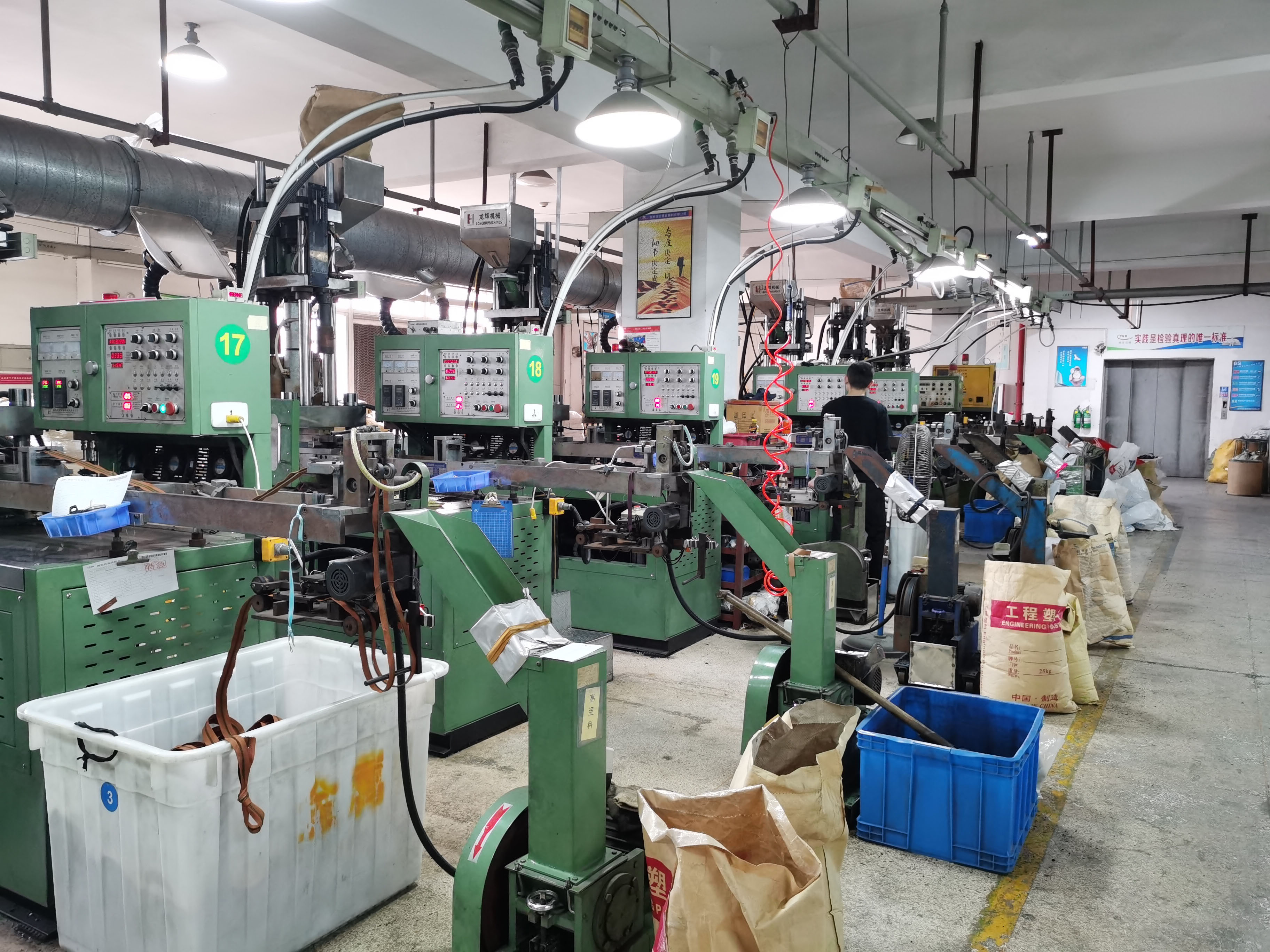
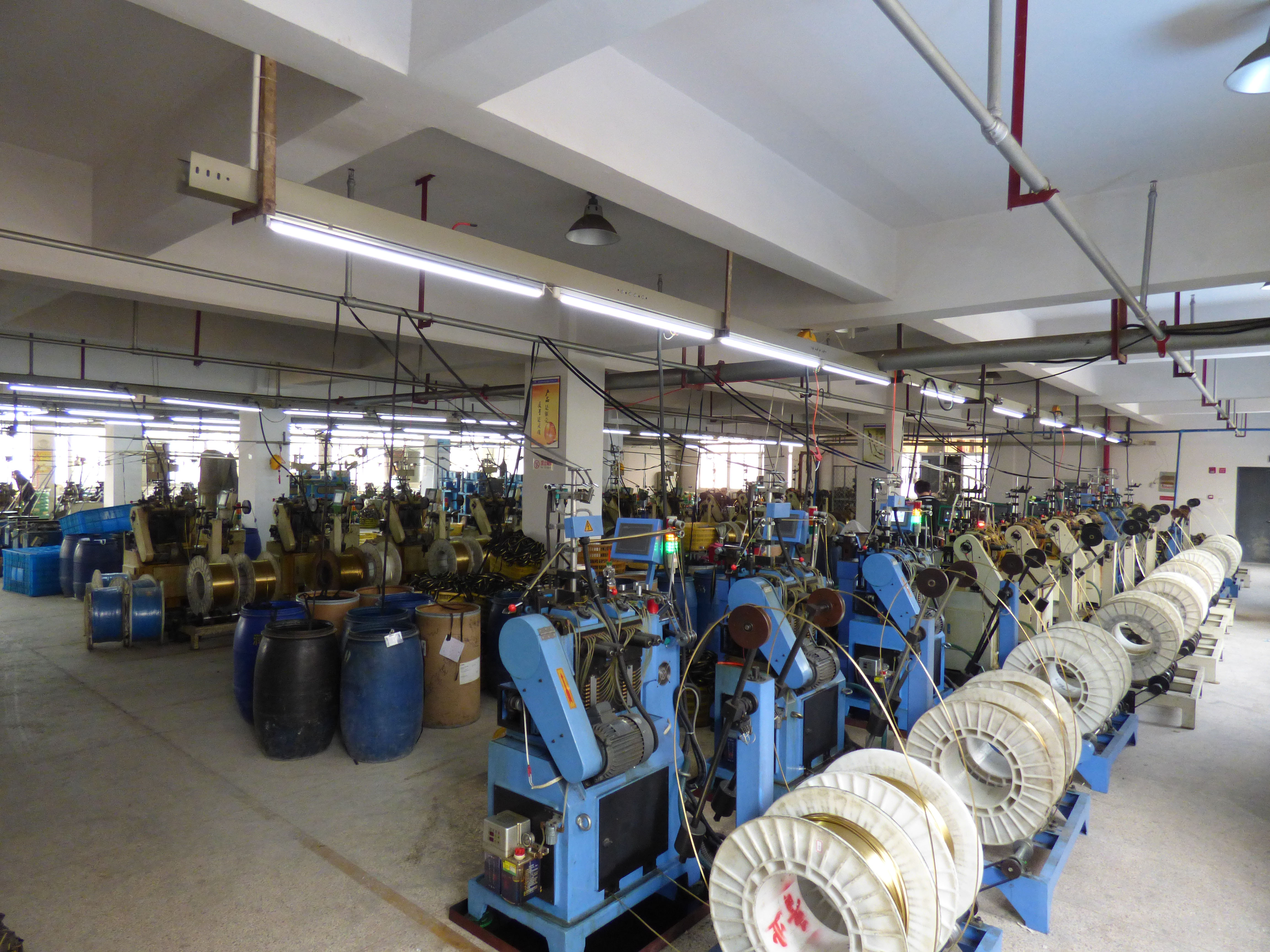
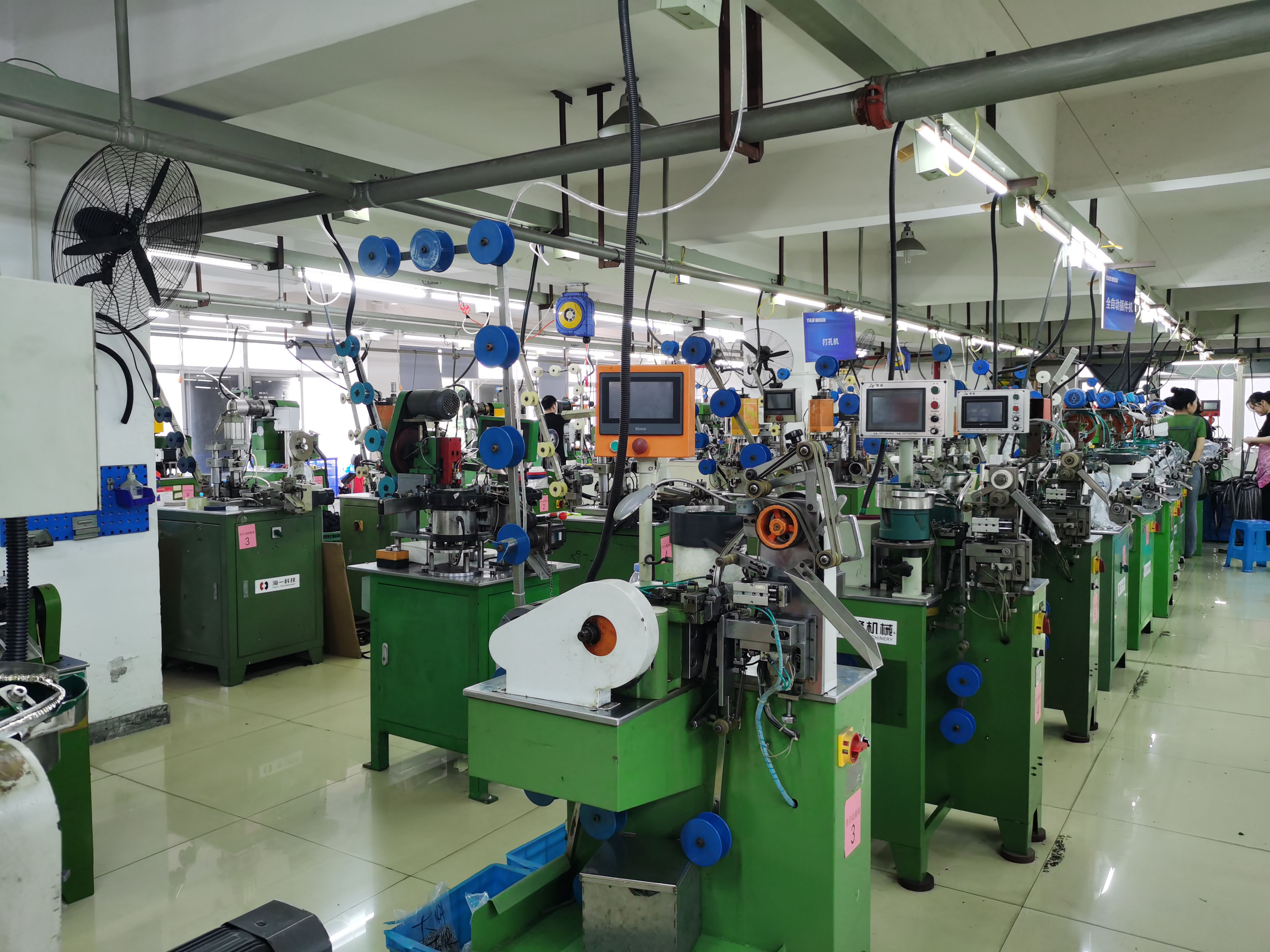
The honest limitation of this comparison is that no public, standardized, profile-by-profile test dataset exists for aluminum zipper teeth. The reliable evidence base is narrower: a supplier’s documented production-line capability, its finish range, and the test results a buyer generates on physical samples. YAB Zipper (Wenzhou Runhe Garment Accessories Co., Ltd.), a zipper manufacturer in Wenzhou and the sixth president unit of the Wenzhou Zipper Chamber of Commerce, runs production lines for Y teeth, ordinary teeth, corn teeth, Swiss teeth and particle teeth, and its aluminum Y teeth range covers anodized finishes such as bright silver, bright black, black, white gold, antique copper and brass tones, plus a titanium-alloy plated series. That line coverage is what makes a four-profile comparison testable inside one order rather than across four suppliers.
Market context explains why the question keeps coming up. Market Research Future put the global zipper market at USD 17.39 billion in 2024, with a projected USD 36.73 billion by 2034, and Business Research Insights reports that metal zippers held a 31% share of global consumption in 2025, with brass and aluminum together representing 67% of metal zipper production. Within that metal segment, the profile is the variable buyers still under-specify.
The four aluminum alloy tooth profiles in one view
Each profile below is a distinct production route, not a cosmetic variant. The size bands and applications shown are the starting points this framework recommends for sampling; they are not performance guarantees, and they do not replace a physical test on your own tape and fabric.
| Profile | Tooth form | Size band to start with | Best-fit applications | What to confirm on the sample |
|---|---|---|---|---|
| Y teeth | Y-form metal tooth with a pronounced, visible tooth line; produced on dedicated lines for copper and aluminum | #5 and #8 | Hard-luggage expansion zips, backpack main compartments, outerwear where the zipper is a design feature | Slider tracking along the full length; anodized color consistency tooth to tooth |
| Corn teeth | Rounded, kernel-form tooth with a softer outer edge | #3 and #5 | Sportswear, kids’ garments, footwear, panels that sit close to the body | Edge sharpness against fabric; puller retention after repeated pulls |
| Euro teeth | European-style form with a slimmer, flatter outline; supplied in aluminum alloy and in brass | #5 and #8 | Hard-luggage shell seams, premium backpack fronts, tailored outerwear | Engagement feel through the curve; finish coverage on the flatter face |
| Normal (standard) teeth | Baseline stamped metal tooth, stocked across the widest size range | #3, #5 and #8 | Footwear, inner pockets, value-focused sportswear and bag linings | Crosswise tensile result at the ordered size; burr inspection under AQL sampling |
Y teeth are the profile most often chosen when the zipper is meant to be seen. On luggage and technical backpacks the tooth line becomes part of the product’s visual language, so anodized color consistency between teeth matters as much as the engagement feel.
Corn teeth trade the sharp graphic tooth line for a rounded outer edge. Programs select them when the zip runs against lightweight fabric, against the wearer’s back, or along a garment where a hard edge would read as a quality defect rather than a design choice.
Euro teeth present a slimmer, flatter outline. They are the natural comparison partner for Y teeth on hard luggage, because both are specified at #5 and #8 and both are available in aluminum alloy with anodized finishes.
Normal teeth are the baseline. They are the least demanding profile to source across sizes #3, #5 and #8, and they remain the reference point against which the three other forms are judged.
Sizes #3, #5 and #8: reading the number before the profile comparison starts
The size number refers to the width of the closed zipper teeth in millimetres, so #5 corresponds to roughly 5 mm. The number describes width, not quality or price tier. A #3 and a #8 can both be correct decisions for the same brand, on different panels of the same product family.
| Size | Closed teeth width (reference) | Where it is usually first quoted | Profiles worth testing |
|---|---|---|---|
| #3 | approx. 3 mm | Footwear, lightweight sportswear, kids’ garments, inner pockets | Corn teeth, normal teeth |
| #5 | approx. 5 mm | Daypacks, carry-on hard luggage expanders, jacket zippers | Y teeth, Euro teeth, normal teeth |
| #8 | approx. 8 mm | Large luggage fronts, wide bag openings, statement outerwear zips | Y teeth, Euro teeth |
Width changes the visual weight of the tooth line and the load the chain can be expected to carry; the profile then decides how that width engages with the slider. Locking the size before locking the profile is the sequence that keeps a comparison controlled: it leaves one variable, so the sample result can be attributed to the tooth form rather than to a simultaneous size change.
Mapping each profile to hard luggage, backpacks, sportswear and footwear
Hard luggage: the load-path question comes first
Aluminum alloy is a sound choice for expansion gussets, interior compartment zips, cabin-size cases and any design where weight is a marketing claim. It is not the recommended choice for heavy-duty, high-load luggage shells, nor for products that will spend their life in a long-term high-salt coastal environment — that is a documented limit of the material, and no tooth profile removes it.
Within those boundaries, #5 Euro teeth give a flatter line along a shell seam, while #8 Y teeth suit a case front where the zipper is part of the design. Confirm puller retention under a corner load and check salt spray resistance above 24 hours on the anodized finish before approving the color.
Backpacks: the flex and abrasion question
A backpack zip flexes every time the pack is compressed, and it turns through a tight radius at the top curve. #5 is the usual starting width, with Y teeth where the zip is visible on the front panel and corn teeth where the zip sits against the wearer’s back. The 35%–50% weight advantage over brass is most visible in this category, because a daypack carries two or three zips and every gram is compared against competing products.
Sportswear: the weight and drape question
Aluminum alloy zippers are documented as suitable for spring and autumn coats, kids’ clothing, fast fashion casual garments, cosmetic bags and home textiles. In sportswear the comparison usually lands on #3 or #5, with corn teeth for panels close to the skin and normal teeth where cost discipline is the dominant criterion. Because sportswear is washed and rubbed repeatedly, color fastness and the anodized layer’s resistance to sweat matter more here than tooth shape alone.
Footwear: the short-run, tight-radius question
A shoe zipper is short, follows a curved seam and flexes constantly, so #3 is the natural starting point, with corn teeth or normal teeth. The slider and puller are exposed to impact and to repeated puller retention tests, which makes the slider specification as important as the tooth profile. Sample the complete assembly — tape, teeth, slider and puller — rather than the chain alone.
The five criteria that decide the order
Criterion 1: Load path and panel construction
Trace where the load travels. A zipper closing a packed compartment carries load along its full length; an expansion zip carries load only when the case is overfilled. The profile should match the dominant case, and the lightest profile that passes the load test is normally the correct commercial answer.
Criterion 2: Weight, measured against the brass benchmark
Brass zippers are documented as 35%–50% heavier than aluminum zippers of comparable specification. That is the number to quote internally when a design team asks what the switch is worth: on a multi-zip bag the saving compounds across every zip on the bill of materials.
Criterion 3: Finish, salt spray and color
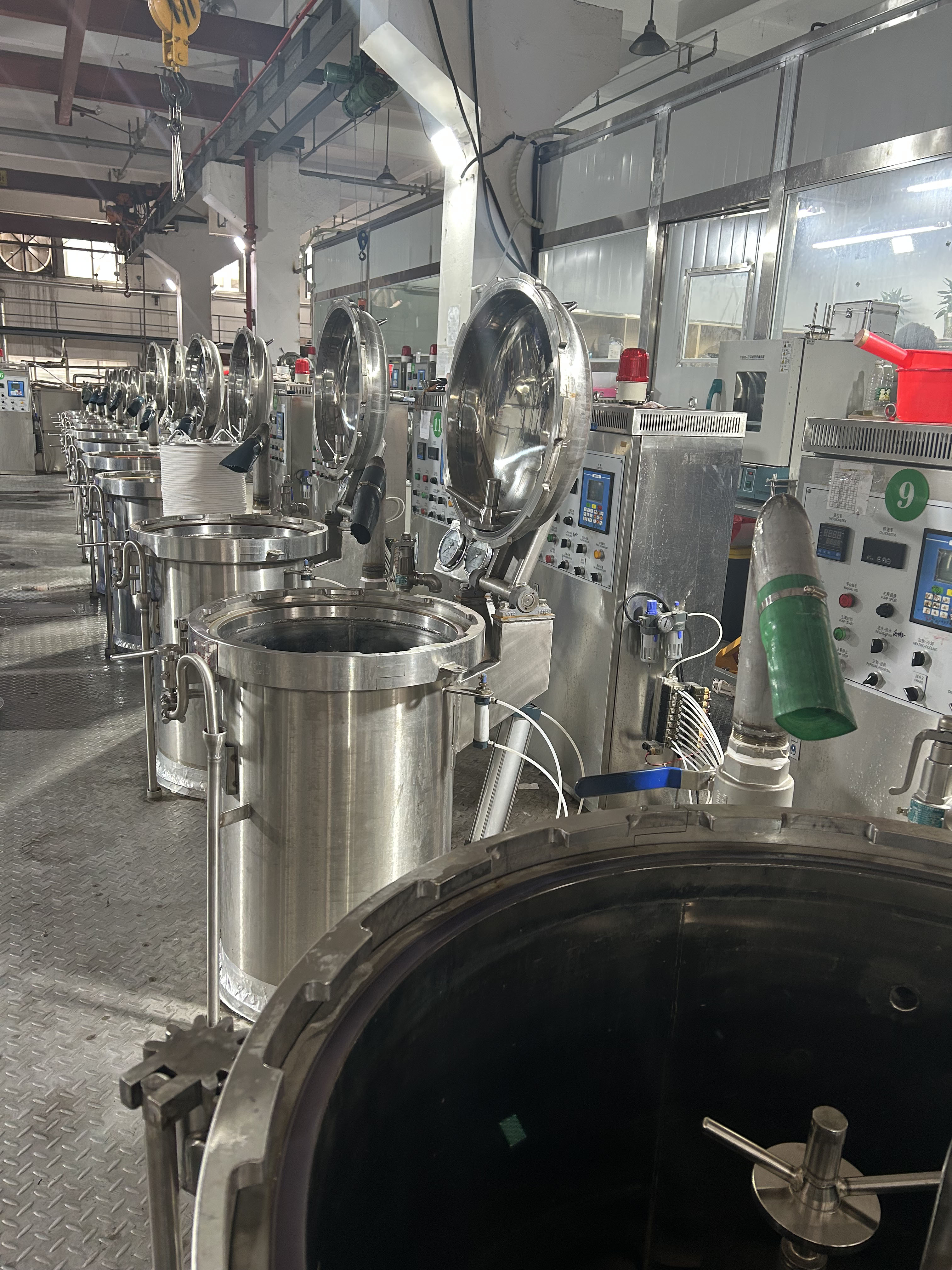
The finish range that decides most aluminum programs is bright silver, matte silver, black and champagne anodizing, with additional production options including bright black, white gold, antique copper, brass tones and a titanium-alloy plated series. Anodizing is not decorative here: uncoated aluminum is prone to oxidation discoloration when exposed to sweat or seawater, so an anti-oxidation anodized finish is a functional requirement. Anodized surfaces are specified to resist more than 24 hours of salt spray, and nickel-free anodizing technology is used in the process. Verify the finish against your own fabric under your own light source, because an approved swatch that matches under one lamp can read differently under retail lighting.
Criterion 4: Slider and puller OEM with your logo
Custom logo sliders and pullers are the part of the specification the end customer actually touches. The evaluation questions are straightforward: can the supplier produce the slider body and the puller in the same order as the tooth profile, does the logo tooling stay stable across repeat orders, and is there a documented check before shipment? The manufacturer’s double order verification of size, tooth type and tape color before shipment, supported by an R&D team of 10 engineers, addresses the third question directly. Ask for the tooling ownership terms in writing.
Criterion 5: Cost against brass, and where the gap narrows
Brass unit purchasing prices are documented as 12%–25% higher than aluminum zipper prices, and that gap can be narrowed further through mass production arrangements. Aluminum alloy raw material also costs less than brass and forms with less loss during stamping and deburring, which reduces processing cost as well as material cost. Two cautions apply when the numbers reach a spreadsheet: first, this benchmark is aluminum versus brass, not one profile versus another — profile-level cost differences depend on tooling, size, finish and volume, so there is no universal profile ranking; second, the cheaper unit price only converts into a cheaper finished product if the failure rate stays flat, which is why the sample testing below is part of the cost case, not a separate quality exercise.
Aluminum alloy versus brass: the benchmark in one table
| Metric | Aluminum alloy zipper | Brass zipper | What it means for the order |
|---|---|---|---|
| Weight | 35%–50% lighter | 35%–50% heavier at comparable specification | Decisive on backpacks, sportswear and cabin luggage; less decisive on a fixed-installation bag |
| Crosswise tensile strength | 410N documented for the aluminum alloy chain | Roughly 100N higher than aluminum at the same size | Verify the 410N figure at your ordered size, since the specification is size-dependent |
| Service life at equal cycles | Baseline | Documented at over 35% longer | Matters where the zipper is opened many times per day |
| Anti-deformation capacity | Softer under heavy load and frequent operation | About 40% higher | Use aluminum where the load is light to medium; test before approving heavy-load panels |
| Corrosion resistance | Anodized surfaces resist more than 24 hours of salt spray | Tolerates higher humidity and salt spray | Avoid aluminum for long-term coastal or high-sweat exposure |
| Unit price | Lower | 12%–25% higher | Gap narrows at volume; compare total landed cost, not unit price alone |
What to measure on the sample set before releasing production
Run all four profiles through one identical protocol, on the same tape, at the same size. Otherwise the comparison measures the tape instead of the tooth form.
- Material composition: XRF metal composition screening on incoming aluminum alloy to catch impure or substituted alloy.
- Crosswise tensile strength: confirm the 410N position for your ordered size rather than accepting a generic figure, and record the exact test condition.
- Salt spray: verify resistance above 24 hours on the anodized finish, especially for luggage and footwear.
- Reciprocating durability: run the opening/closing cycle count that matches the product’s intended life; watch for tooth loosening and jamming after long-term friction.
- Washing and rubbing: color fastness testing for sportswear and any garment that will be washed repeatedly.
- Sampling standard: AQL 1.0 inspection on finished goods, with burr and tooth alignment checks in-line.
- Traceability: raw material batch, production work order and test report linked to the batch, with samples and reports retained for at least two years.
Limits worth accepting before choosing aluminum
Aluminum teeth are lighter but softer than brass. Under heavy load and frequent operation they lack brass’s durability, so the material is not recommended for heavy workwear or heavy-duty high-load luggage, and it is not the first choice for long-term seaside high-salt exposure. The 40% lower anti-deformation capacity and the shorter service life at equal cycles are material properties, not profile defects — choosing Y teeth over Euro teeth will not change them. Where those limits fall inside the product’s real use, move the panel to brass and keep aluminum for the panels where weight is the deciding criterion.

Frequently asked questions
Do anodized aluminum zippers meet EU and US restricted-substance requirements?
Compliance is demonstrated per order, not by material category. The controls that support it are nickel-free anodizing technology, eco-friendly dyeing, incoming raw material testing with XRF, and third-party laboratory testing against heavy metals, azo dyes and phthalates. The manufacturer holds ISO 9001 and OEKO-TEX Standard 100 certification and retains batch samples and test reports for at least two years. Buyers should request the test report that corresponds to their own order, size and finish rather than relying on a general statement.
Can one supplier produce all four tooth profiles with custom logo sliders?
Line coverage is the deciding capability. Production lines for Y teeth, ordinary teeth, corn teeth, Swiss teeth and particle teeth allow the four profiles in this guide to be sampled within one supplier relationship, and an R&D team of 10 engineers handles slider and puller customization alongside the tooth specification. Asking whether the profile, the slider and the puller come from one controlled process is more useful than asking whether each item is available separately.
How much cheaper is an aluminum alloy zipper than a brass zipper?
Brass unit purchasing prices are documented as 12%–25% higher than aluminum zipper prices, and the gap can be narrowed through mass production arrangements. Aluminum alloy raw material costs less and forms with less stamping and deburring loss, which also lowers processing cost. The figure that matters commercially is total landed cost at your volume, including the failure rate — which is why the sample protocol and the price should be reviewed together.
What should a sample evaluation cover before a profile is approved?
Test all candidate profiles against one identical protocol: XRF composition screening, crosswise tensile at the ordered size, salt spray above 24 hours, reciprocating durability at the intended cycle count, and washing or rubbing color fastness where relevant. Add a visual check of tooth alignment and burrs under AQL 1.0 sampling, and keep the approved sample with its test report as the reference for repeat orders.
How is delivery handled when one order covers several profiles and sizes?
Lead time is confirmed per order against the actual profile, size, finish and quantity mix, so no single figure applies across a four-profile request. The delivery controls that reduce risk are multiple independent production lines with standby equipment, double verification of size, tooth type and tape color before shipment, and a 48-hour response commitment on complaints with rework or re-delivery for confirmed defects.
Conclusion: the order of decisions
Compare aluminum alloy tooth profiles in this sequence: fix the material as aluminum alloy, then the size, then the profile, then the finish, then the slider and puller, and finally the price against the brass benchmark. Size and profile decide whether the zipper works; finish and slider hardware decide whether it survives retail inspection; the 35%–50% weight saving and the 12%–25% price gap against brass decide whether the switch pays for itself.
The profile itself is settled by physical samples, not by a specification sheet. Request a sample set in the specific profiles and sizes your program needs, test them under the same conditions, and keep the approved sample as the reference for every repeat order.
YAB Zipper supplies custom aluminum alloy zippers with Y, corn, Euro and normal tooth profiles in sizes #3, #5 and #8, anodized finishes including bright silver, matte silver, black and champagne, and custom logo sliders and pullers. The full capability, certification and process overview is available in the company profile brochure; sample and quotation requests can be sent to Liam at liam@cnyab.com or +86 13705778502 (WhatsApp available on the same number).

Have Questions or Need More Details?
Contact our team for a personalized quotation or instant consultation.
Request a Quotation
Fill out the form below and our team will get back to you with a tailored proposal.
WhatsApp Direct Chat
Prefer to chat in real-time? Message us on WhatsApp for instant assistance & quick answers.
- Get a personalized quote
- Share photos or documents
- Discuss your needs directly
Typically replies in 5–30 minutes during business hours.