
Top 5 Custom Aluminum Alloy Zippers for Hard Luggage and Backpacks: A Buyer's Ranking

The direct answer: in this ranking, the strongest all-round custom aluminum alloy zipper for hard luggage, backpacks and sportswear is a #5 Y-tooth configuration with a black anodized finish. The #8 Y-tooth in matte silver takes second place and represents the practical ceiling for aluminum on a hard-shell main compartment. Corn tooth, normal tooth and Euro tooth configurations complete the list, each with a defined application band.
Every aluminum alloy zipper compared here is documented as 35%–50% lighter than an equivalent brass zipper and as costing far less per unit. Every one of them is also documented as unsuitable for heavy-duty, high-load luggage. That single boundary is what separates a ranking that is useful at the decision stage from one that is only a price list.
The five positions below are ordered by load fit, weight, cost position and finish durability — the four criteria procurement teams, brand owners and OEM buyers use when they lock a zipper specification. Sizes covered: #3, #5 and #8. Tooth profiles covered: Y teeth, corn teeth, Euro teeth and normal teeth. Finishes covered: bright silver, matte silver, black and champagne anodizing.
Why the material decision is not the configuration decision
Two zippers can both be described as aluminum alloy and still behave completely differently on the same case. What determines field performance is the combination of size, tooth profile, tape and slider pairing, and the anodized finish — not the material name on the specification sheet.
Three failure modes account for most returns and complaints on light-alloy zippers used in luggage and backpack programs:
- Deformation under load. Aluminum teeth are softer than brass teeth. The documented anti-deformation capacity of brass is about 40% higher than aluminum, which is why an aluminum zipper specified for a panel it was never sized for deforms first — typically at the pull or around a corner radius.
- Finish corrosion. Aluminum alloy is prone to oxidation discoloration when it is exposed to sweat or seawater over long periods, so an anti-oxidation anodizing finish is a functional requirement rather than a cosmetic upgrade. Brass tolerates higher humidity and salt spray, and the probability of oxidation white spots on brass is documented as 60% lower in a normal environment.
- Wear-related jamming. Under long-term friction, aluminum teeth tend to loosen and cause jamming, and the operating feel deteriorates visibly. Brass sliding resistance stays stable for longer and its performance decays slowly over time.
Those three failure modes produce one specification rule: aluminum alloy zippers are documented as suitable for lightweight and medium-load applications such as backpacks, casual bags, cosmetics bags and home textiles, and as not recommended for heavy workwear or heavy-duty high-load luggage. A ranking that ignores that boundary is recommending the wrong part.
Aluminum alloy in the current zipper market
Context matters when a specification has to be defended to a sourcing committee. Three published reference points frame where aluminum alloy sits in 2026:
- The global zipper market was valued at USD 17.39 billion in 2024 and is projected to reach USD 36.73 billion by 2034, a 7.8% CAGR from 2025 to 2034 (Market Research Future).
- Nylon zippers accounted for 46% of total global zipper consumption in 2025, while metal zippers held a 31% share — and brass plus aluminum together represent 67% of metal zipper production (Business Research Insights).
- Global trade in slide fasteners under HS 9607 reached USD 3.15 billion in 2024, of which China accounted for USD 1.52 billion in exports (Observatory of Economic Complexity).
Sizing follows a convention that buyers should keep in front of them during selection: the numbers #3, #5 and #8 refer to the width of the zipper teeth in millimetres when the zipper is closed, so a #5 zipper measures roughly 5 mm across the closed teeth. Size is a load and weight decision, not a cosmetic one.
How this ranking was built: four criteria and one boundary
Criterion 1 — Load fit. The zip is scored against the documented aluminum alloy application range first. A configuration that cannot survive the panel it closes does not rank, regardless of price.
Criterion 2 — Weight. Brass zippers are documented as 35%–50% heavier than aluminum zippers. For hard luggage and backpacks, that weight advantage is the commercial reason aluminum alloy enters the bill of materials at all.
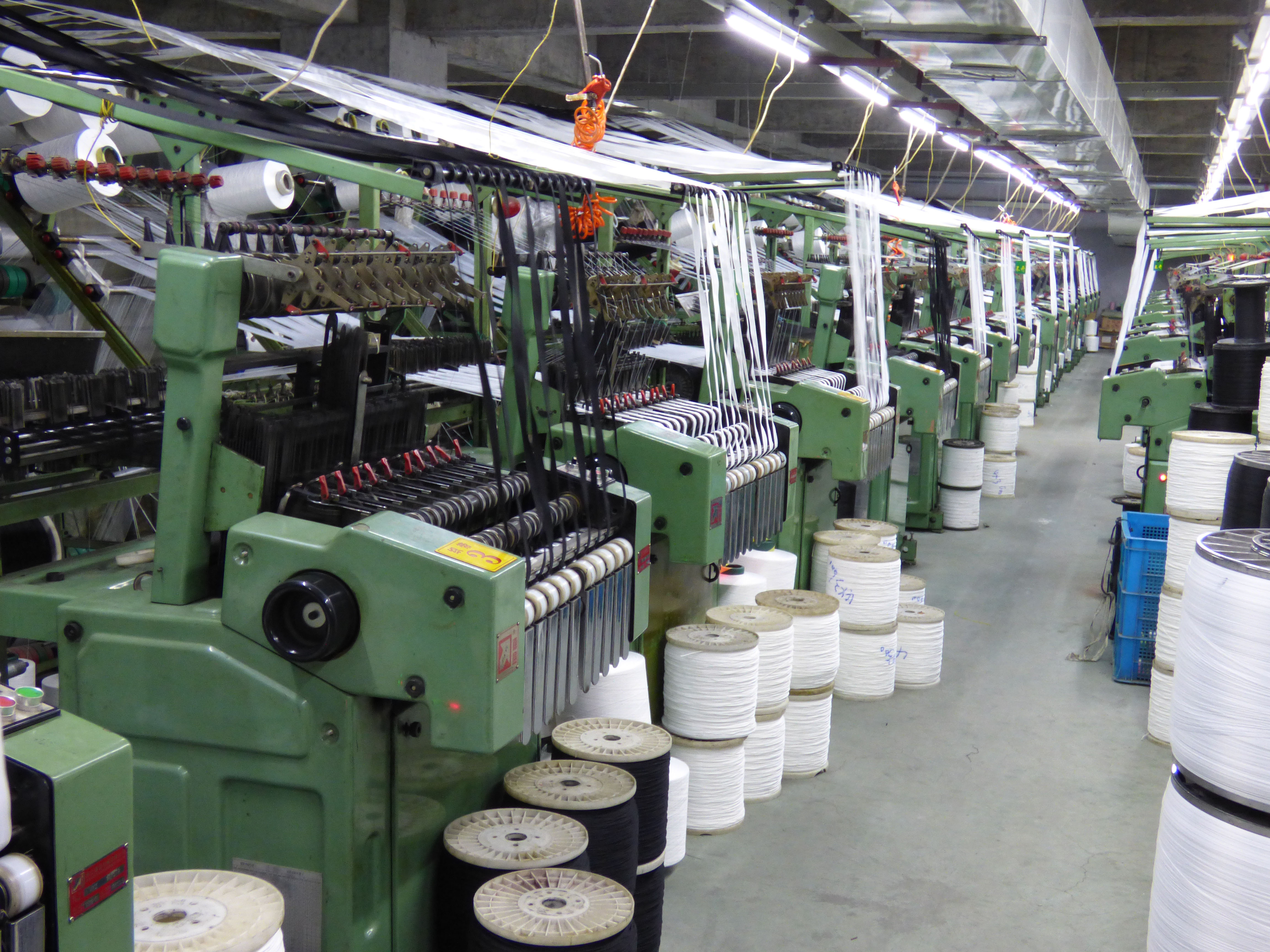
Criterion 3 — Cost position. Aluminum alloy raw material is far cheaper than brass, and aluminum forms more easily with less loss during stamping and deburring, which lowers labour and energy consumption. The total purchasing cost for the same specification is documented at only about 40% of brass zippers.
Criterion 4 — Finish durability. An anodized finish is what keeps an aluminum alloy zip presentable. YAB ZIPPER states that its aluminum Y-teeth surface treatment process reached the standard of its copper zipper series, and the range includes bright silver, bright black, black teeth, white gold, light gold, brass, antique copper and antique silver, plus a titanium-alloy plated series in platinum, black gold, light gold and rose gold.
Tie-breaker — customization. Custom logo slider and puller OEM support decides close calls, because slider branding is visible on the finished case or pack.
Verification note for buyers. Crosswise tensile strength is where aluminum alloy loses ground against brass: it is documented at roughly 100 N lower than a brass zipper of the same size, which meets standard requirements for ordinary garments and medium-load bags but not for heavy high-load products. When you request a quotation, ask for the crosswise tensile figure in newtons for your exact size and finish, together with salt spray hours, reciprocating durability cycles and washing and rubbing results. YAB ZIPPER's finished-product laboratory runs a salt spray test chamber, a reciprocating durability tester, a tensile strength tester and washing and rubbing equipment, and batch samples with their test reports are retained for at least two years.
The top 5 aluminum alloy configurations ranked
RANK 1 #5 Y-tooth, black anodized — the widest application coverage
Size #5 with a Y tooth profile and a black anodized finish is the configuration that covers the most ground for hard luggage, backpacks and sportswear in a single specification. It is the default recommendation when a program mixes bag types and does not want three different zipper lines.
- Configuration: #5 (approximately 5 mm closed teeth width), Y tooth profile, black anodizing, matched tape and custom slider.
- Why it ranks first: #5 sits in the middle of the #3–#8 range, so it handles backpack main compartments and sportswear shell zips without the weight penalty of a larger tooth. Black anodizing hides scuffs and abrasion on dark tape, which reduces visual complaints on black and dark grey luggage.
- Documented basis: 35%–50% lighter than brass; total purchasing cost around 40% of brass for the same specification; smooth sliding shared with brass at equal specification; anodizing available in black teeth and bright black from the aluminum Y-teeth treatment range.
- Where it stops: not recommended for heavy-duty high-load luggage or heavy workwear. If the case is rated for dense packing, move to number 2 or specify brass.
RANK 2 #8 Y-tooth, matte silver anodized — the load ceiling within aluminum
Size #8 is the largest of the three sizes in this ranking and the strongest aluminum configuration available for a hard-shell main compartment. It ranks second only because the applications that truly need #8 are also the applications that most often belong to brass.
- Configuration: #8 Y tooth profile, matte silver anodizing, reinforced tape and a matched slider.
- Why it ranks here: hard-shell luggage main compartments and daily-loaded backpack panels are the two highest-stress positions on the product. #8 Y tooth gives the greatest tooth-to-tape engagement among the aluminum options compared here, and a matte silver finish reduces glare and visible micro-scratching on light tapes.
- Documented basis: same 35%–50% weight advantage over brass and the same cost position; aluminum alloy is documented as suitable for backpacks and medium-load applications; anti-oxidation anodizing is specified for humid conditions.
- Where it stops: #8 aluminum is not a substitute for brass in heavy-duty, high-load use. Brass keeps roughly 40% higher anti-deformation capacity and over 35% longer service life at equal opening and closing frequency, and the price gap can be narrowed through mass-production arrangements.
RANK 3 #5 Corn tooth, bright silver anodized — the presentation choice
Corn tooth configurations rank third because they are specified for how the zip looks on an exposed surface rather than for a load upgrade. On hard-shell exteriors, front pockets and design-led backpack faces, the tooth face is part of the product language.
- Configuration: #5 corn tooth profile, bright silver anodizing, polished slider and branded puller.
- Why it ranks here: bright silver reads as a metal-forward design detail and pairs predictably with aluminum frames, silver hardware and light tape colours. Corn tooth profiles are produced on dedicated lines, so the profile is available as a genuine custom option rather than a relabelled standard tooth.
- Documented basis: corn teeth are listed among the tooth types in YAB ZIPPER production capability, alongside copper Y teeth, ordinary teeth and related profiles; the weight and cost advantages over brass are unchanged because the base material and size are identical to rank 1.
- Where it stops: confirm the exact tooth geometry and its slider pairing against your design drawing on a physical sample before tooling. For fully concealed or interior zips, a Y tooth is the more practical specification.
RANK 4 #5 Normal tooth, bright silver anodized — the volume economics option
The normal tooth profile is the standard, undifferentiated tooth shape, and it ranks fourth because its value is volume economics rather than engineering gain. It belongs on interior panels and lower-stress positions where no one inspects the tooth face.
- Configuration: #5 normal tooth profile, bright silver anodizing, standard slider with optional puller branding.
- Why it ranks here: interior organizer panels, laptop sleeves, side pockets and cosmetic compartments all benefit from the aluminum weight and cost advantage without needing a premium profile or finish.
- Documented basis: ordinary (normal) teeth are among the tooth types YAB ZIPPER produces; the documented aluminum figures — 35%–50% lighter than brass and roughly 40% of brass purchasing cost at the same specification — apply directly.
- Where it stops: it is the least differentiated option in the list, so it should not be used where the zip is a visible design feature, and it carries the same load boundary as every other aluminum configuration.
RANK 5 #3 Euro tooth, champagne anodized — light-duty and small formats
Size #3 is the smallest and lightest size in this comparison, and it ranks fifth only because its application window is narrower. Used correctly, it is the most efficient aluminum specification on the list per unit of weight.
- Configuration: #3 Euro tooth profile, champagne anodizing, small-format slider and puller.
- Why it ranks here: children's luggage, cosmetic bags, travel pouches, sportswear trims and interior linings do not carry structural load, so the #3 format delivers the full aluminum weight and cost advantage without demanding more strength than the product needs. Champagne anodizing gives a warmer metal tone that suits premium-look small accessories.
- Documented basis: aluminum alloy is documented as suitable for lightweight applications including cosmetics bags and home textiles; #3 sizing follows the same closed-teeth-width convention as #5 and #8.
- Where it stops: never specify #3 for a hard-shell main compartment or a loaded backpack panel — both are outside the documented aluminum use range.
Comparison table: five aluminum configurations against the brass baseline
All figures below are drawn from YAB ZIPPER comparison data and the published market references cited above. The brass row is included as the benchmark against which every aluminum configuration is measured.
| Rank | Configuration | Size | Tooth | Finish | Weight vs brass | Cost vs brass | Strongest fit | Documented limit |
|---|---|---|---|---|---|---|---|---|
| 1 | Y-tooth, black anodized | #5 | Y | Black anodizing | 35%–50% lighter | About 40% of brass purchasing cost | Backpack main compartments, sportswear shell zips, hard-case interior panels | Not recommended for heavy-duty high-load luggage |
| 2 | Y-tooth, matte silver anodized | #8 | Y | Matte silver | 35%–50% lighter | About 40% of brass purchasing cost | Hard-shell main compartments, daily-loaded backpack panels | Not a substitute for brass in heavy-duty high-load use |
| 3 | Corn tooth, bright silver anodized | #5 | Corn | Bright silver | 35%–50% lighter | About 40% of brass purchasing cost | Exposed zips on hard-shell exteriors and front pockets | Verify tooth geometry and slider pairing on a sample |
| 4 | Normal tooth, bright silver anodized | #5 | Normal | Bright silver | 35%–50% lighter | About 40% of brass purchasing cost | Interior panels, laptop sleeves, side pockets, volume bags | Least differentiated option; visible-zip designs excluded |
| 5 | Euro tooth, champagne anodized | #3 | Euro | Champagne | 35%–50% lighter | About 40% of brass purchasing cost | Children's luggage, cosmetic bags, travel pouches, sportswear trims | Not for main compartments or loaded backpack panels |
| Baseline | Brass Y-tooth (benchmark) | Equal size | Y | Plated finishes | 35%–50% heavier | Unit purchase price 12%–25% higher | Leather goods, denim, workwear, premium and heavy-duty cases | Higher weight and higher unit cost |
One cost detail is worth flagging for sourcing teams: two figures appear in the comparison data. Aluminum alloy's total purchasing cost for the same specification is documented at roughly 40% of brass, while a separate purchase-price comparison puts brass 12%–25% higher than aluminum. Both point in the same direction, but the difference shows that cost comparisons depend on whether material, processing, labour and energy are bundled in. Quote against your own specification rather than a headline percentage.
Step-by-step: how to validate an aluminum alloy zipper before a bulk order
The ranking above narrows the field. This sequence is how a buyer converts a shortlist into a locked specification.
- Fix the load case first. State which panel the zip closes: hard-shell main compartment, front pocket, backpack main body, interior organizer or trim. This single answer decides whether aluminum is acceptable at all.
- Choose the size against the closed teeth width. #3, #5 and #8 refer to the teeth width in millimetres when closed, with #5 at roughly 5 mm. Larger teeth carry more load; smaller teeth save weight.
- Choose the tooth profile for the position. Y teeth for load-bearing and concealed positions, corn teeth where the tooth face is visible, normal teeth for interior volume, Euro teeth for small formats. Confirm the profile against your drawing on a physical sample.
- Lock the finish and specify anodizing explicitly. Bright silver, matte silver, black and champagne anodizing are the four finishes compared here. Because aluminum is prone to oxidation discoloration in humid conditions, treat the anti-oxidation anodizing step as mandatory and confirm that a nickel-free anodizing process is used.
- Request the test report before the price. Ask for crosswise tensile strength in newtons for your exact size and finish, salt spray hours, reciprocating durability cycles, and washing and rubbing results. Note that aluminum is documented at roughly 100 N below brass in crosswise tensile strength at the same size, so read the number against your load case.
- Validate with a sample, including branding. Check slider and puller fit, tape colour, tooth alignment, burr level and sliding feel. Confirm custom logo slider and puller OEM requirements at this stage, not after tooling.
- Write the quality and after-sales terms into the order. YAB ZIPPER operates a three-stage QC system — IQC incoming inspection, IPQC in-line patrol inspection and FQC 100% finished goods inspection — with AQL 1.0 sampling, batch sample retention for at least two years, and a documented commitment to respond to customer complaints within 48 hours with free re-delivery or rework for defective products.
Where each configuration fits: use cases and load boundaries
- Hard-shell carry-on and medium luggage: #8 Y-tooth in matte silver for the main compartment, #5 Y-tooth in black for interior organizer panels and laptop sleeves. Keep brass in reserve for heavy-duty, high-load cases.
- Backpacks: #5 Y-tooth in black for the main body, #5 normal tooth for side pockets and sleeves. #8 aluminum is the upper limit for panels loaded daily.
- Sportswear and outerwear: #5 Y-tooth in black for main zips and pocket zips, and #3 Euro tooth in champagne for trims and light linings.
- Small formats and accessories: #3 Euro tooth in champagne for cosmetic bags, travel pouches and children's luggage — the lightest combination in this ranking.
- Home textiles and volume bags: #5 normal tooth in bright silver, where the cost advantage matters more than the tooth face.
- Out of scope for aluminum alloy: heavy workwear, heavy-duty high-load luggage, and long-term high-salt seaside environments, where brass is the documented recommendation.
Quality control behind these specifications
Wenzhou Runhe Garment Accessories Co., Ltd., which trades as YAB ZIPPER, was founded in 1995 and operates a 10,000 m² facility in Wenzhou, Zhejiang, China with around 150 employees, 10 R&D engineers and a documented annual output of 70,000,000 pieces. The company holds ISO 9001 quality management certification and OEKO-TEX Standard 100 certification, and is the sixth president unit of the Wenzhou Zipper Chamber of Commerce.
For aluminum alloy work specifically, the controlled risks are documented as impure alloy teeth, tape colour deviation, burrs, oxidation discoloration after anodizing, jamming and insufficient tensile strength. The controls applied against them are equally specific:
- Incoming material: XRF metal composition analysis, colour fastness testing and tensile strength testing on each batch, with an approved supplier list and rejection of non-conforming material.
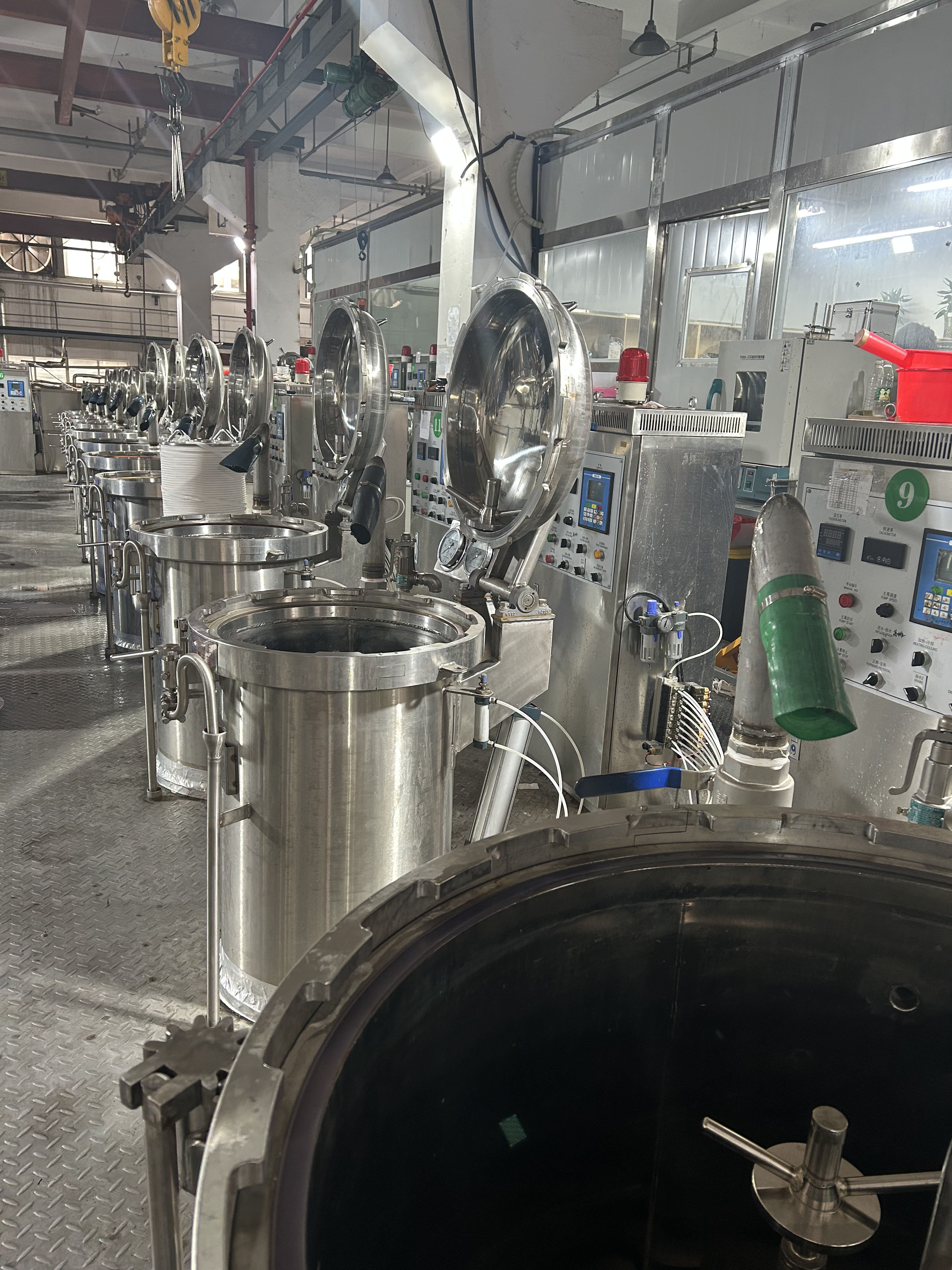
- Process: automatic tooth forming machines, CNC anodizing lines, automatic deburring equipment and nickel-free anodizing technology.
- Finished goods: reciprocating durability testing, salt spray chamber testing, washing and rubbing testing, and AQL 1.0 sampling inspection.
- Traceability: raw material batches, production work orders and test reports are bound into archives, and batch samples are retained for at least two years.
- Dispatch protection: size, tooth type and tape colour are double-checked before shipment to prevent wrong or short deliveries.
FAQ: aluminum alloy zippers for hard luggage and backpacks
Is aluminum alloy strong enough for hard-shell luggage zippers?
It depends on the load rating of the panel, and the documented answer is specific. Aluminum alloy zippers are suitable for lightweight and medium-load applications including backpacks, cosmetics bags and home textiles, and are not recommended for heavy workwear or heavy-duty high-load luggage. Within aluminum, size #8 with a Y tooth is the highest-load configuration in this ranking. Where a main compartment is packed densely, brass remains the documented alternative: about 40% higher anti-deformation capacity and over 35% longer service life at equal opening and closing frequency.
What compliance documentation is available for YAB ZIPPER aluminum alloy zippers?
Wenzhou Runhe Garment Accessories Co., Ltd. (YAB ZIPPER) holds ISO 9001 quality management certification and OEKO-TEX Standard 100 certification, and is the sixth president unit of the Wenzhou Zipper Chamber of Commerce. Incoming aluminum alloy is screened with an XRF metal composition detector, production uses nickel-free anodizing technology and eco-friendly dyeing processes, finished goods are inspected to AQL 1.0 sampling, and batch samples with test reports are retained for at least two years.
Can aluminum alloy zippers be produced with custom logo sliders and pullers?
Yes. Custom logo slider and puller OEM support is available alongside size, tooth profile, tape colour and anodized finish selection. The aluminum Y-teeth surface treatment range includes antique silver, antique copper, brass, light gold, black teeth, white gold, bright silver and bright black, plus a titanium-alloy plated series in platinum, black gold, light gold and rose gold — so branding hardware and tooth finish can be matched in the same order. Confirm the artwork and slider model on a sample before tooling.
How much does an aluminum alloy zipper cost compared with a brass zipper?
Two documented figures apply. Aluminum alloy's total purchasing cost for the same specification is about 40% of brass, and a separate purchase-price comparison puts brass unit price 12%–25% higher than aluminum. The gap exists because aluminum alloy raw material is far cheaper than brass and forms more easily with less material loss during stamping and deburring, lowering labour and energy consumption. On the brass side, the price gap can be narrowed through mass-production arrangements.
How do I validate a custom aluminum alloy zipper before committing to a bulk order?
Request a physical sample in your exact size, tooth profile and finish, together with the batch test report — crosswise tensile strength in newtons, salt spray hours, reciprocating durability cycles and washing and rubbing results. Check tooth alignment, burrs, tape colour and sliding feel, and confirm the slider and puller branding in the same sample round. A supplier who retains batch samples and reports for two years and responds to complaints within 48 hours with free rework or re-delivery takes most of the risk out of this step. To start that process, send your specification or request samples and a quotation at liam@cnyab.com.
Conclusion: choosing in one pass
The ranking compresses into a single decision rule. Use #5 Y-tooth in black anodizing as the default for backpacks, sportswear and interior luggage panels. Use #8 Y-tooth in matte silver where a hard-shell main compartment needs the maximum load the aluminum family can offer. Use corn tooth #5 where the zip is a visible design element, normal tooth #5 for interior volume, and #3 Euro tooth in champagne for small formats and trims.
Aluminum alloy earns its place on 35%–50% weight savings and a purchasing cost around 40% of brass. Brass earns its place on roughly 40% higher anti-deformation capacity and over 35% longer service life. Neither is the universal answer — the specification that matches the load, the finish requirement and the cost target is.
Next step: sample, specification review or quotation
Send your size, tooth profile, tape colour and finish requirement, and YAB ZIPPER will confirm the configuration, provide the relevant test data and quote. Samples and custom logo slider and puller development are supported.
Email: liam@cnyab.com | Tel / WhatsApp: +86 13705778502 | Web: www.cnyab.com
Download the full company profile and product catalogue: Runhe Zipper Company Profile (PDF).
Wenzhou Runhe Garment Accessories Co., Ltd. — No.8 Xigong West Rd., Longwan, Wenzhou, Zhejiang, China.
Have Questions or Need More Details?
Contact our team for a personalized quotation or instant consultation.
Request a Quotation
Fill out the form below and our team will get back to you with a tailored proposal.
WhatsApp Direct Chat
Prefer to chat in real-time? Message us on WhatsApp for instant assistance & quick answers.
- Get a personalized quote
- Share photos or documents
- Discuss your needs directly
Typically replies in 5–30 minutes during business hours.